 Art
Art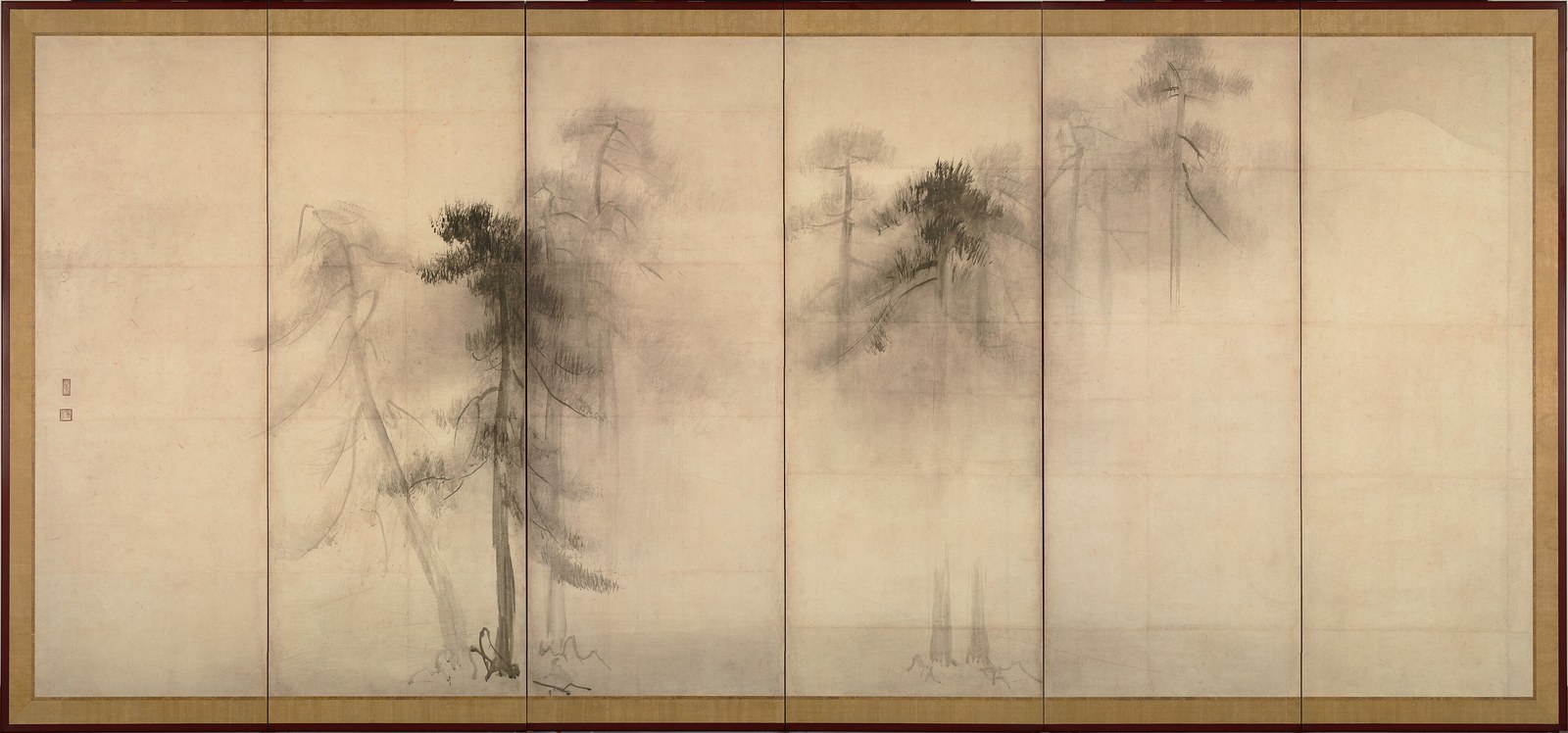
Negative space in art is the empty area around and between the main subjects of a composition, and skilled use of it treats that nothing as carefully as the subject itself. The subject is positive space; everything else is negative space, and the relationship between the two is what actually creates a picture's shape, balance, and mood. Negative space can be simple background that gives a subject room to breathe, or it can do active work, forming a second, hidden image, as in a logo where the gap between two shapes reads as its own recognizable form. Generous negative space tends to feel calm, quiet, or lonely, since the eye has nowhere else to go but the subject; cramped, minimal negative space feels busy, urgent, or claustrophobic. Japanese aesthetics have a specific term for this, ma, treating empty space as a meaningful pause rather than unused leftover area. Designers rely on negative space constantly, since a logo, poster, or page that uses it well often communicates faster than one that fills every inch with detail.
How artists use it
Empty space as subject
Hiroshige's Plum Estate, Kameido lets a single blossoming branch cut across a wide, nearly empty sky, so bare space carries as much presence in the print as the branch itself does.
Figure-ground reversal
The FedEx logo, designed by Lindon Leader, hides a forward-pointing arrow in the white gap between the letters E and x, embedding a second meaning inside a simple wordmark using negative space alone.
Silhouette against open ground
Wyeth's Christina's World sets a lone figure in a vast, empty field of dry grass, and the sheer size of the untouched space around her communicates distance and isolation more than any added detail could.
Minimalist single form
Brâncuși's Bird in Space stands as a single polished, abstracted shape in an otherwise empty gallery space, relying on the emptiness around it to let the sculpture's pure form read clearly from every angle.
Reserved blank ground
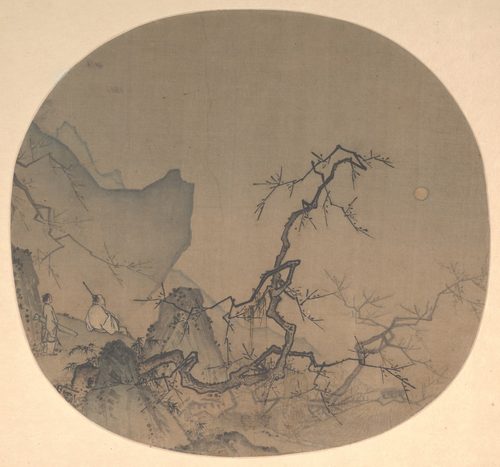
Ma Yuan's On a Mountain Path in Spring leaves most of the silk panel blank, using unpainted space to suggest mist, distance, and air around a few carefully placed elements at the panel's edge.
Cropped emptiness for mood
Hopper's Rooms by the Sea opens a doorway directly onto an empty ocean and sky with no transition, letting a huge, flat area of blank color carry the painting's quiet, unsettled mood.
Instant examples
Negative Space in famous works, fast
- Plum Estate, Kameido
- → a single blossoming branch cuts across a wide, nearly empty sky.
- FedEx logo
- → the white gap between two letters hides a forward-pointing arrow.
- Christina's World
- → a lone figure in a vast, empty field signals distance and isolation.
- Bird in Space
- → an abstracted form relies on the empty space around it to read clearly.
- On a Mountain Path in Spring
- → unpainted silk stands in for mist and distance.
- Rooms by the Sea
- → a flat, empty field of ocean and sky carries the painting's quiet mood.
- Rubin's vase
- → two profiles or a single vase appear depending on which area you read as the subject.
The story
East Asian ink painting treated empty space as meaningful centuries before Western art gave it much thought: Song dynasty landscape painters left large unpainted areas of silk to suggest mist, sky, and air, a concept later named ma in Japanese aesthetics. Western painting, by contrast, often filled a canvas edge to edge well into the modern era, treating background as simply the area left over once the subject was finished. That began shifting with movements like Japonisme in the late 1800s, and later with modernist and minimalist art that stripped subjects down until surrounding space became an active part of the composition rather than filler. Graphic design formalized the idea further in the twentieth century, using figure-ground tricks, a hidden shape sitting in the gap between two forms, as a mark of clever, economical design. Negative space is now a standard term across fine art, photography, and design alike.
The canonical examples
| Work | Artist | Date | Why it matters |
|---|---|---|---|
| Plum Estate, Kameido | Utagawa Hiroshige | 1857 | a blossoming branch cuts across a wide, empty sky |
| Christina's World | Andrew Wyeth | 1948 | a lone figure in a vast field signals distance and isolation |
| Bird in Space | Constantin Brâncuși | 1923 | a pure abstract form relies on the emptiness around it |
| On a Mountain Path in Spring | Ma Yuan | c. 1200 | unpainted silk stands in for mist and distant air |
| Rooms by the Sea | Edward Hopper | 1951 | a flat, empty field of ocean and sky carries the mood |
| FedEx logo | Lindon Leader | 1994 | the gap between two letters hides a forward arrow |
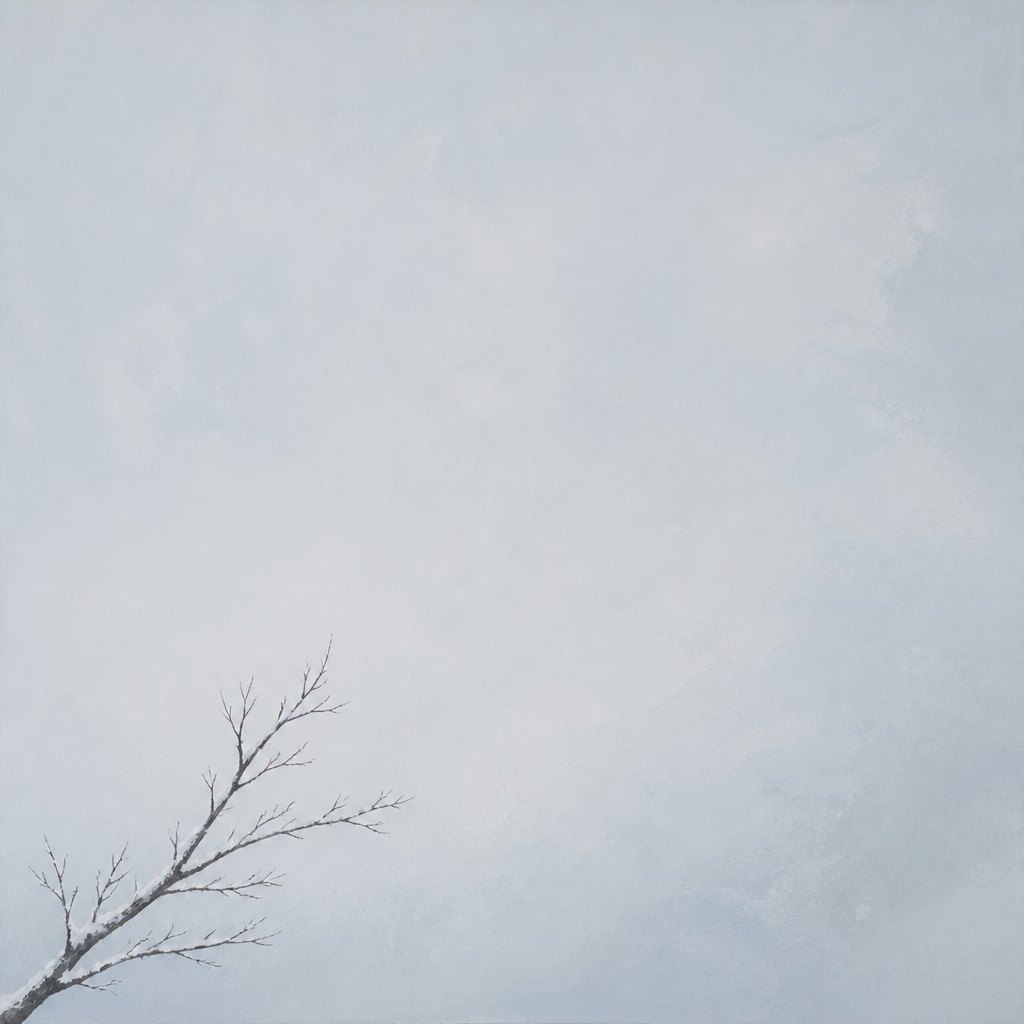 AI-generated
Try it yourself
Practice negative space with AI
This example was generated from a prompt like: “A single bare tree branch positioned in the lower corner of a vast, empty pale winter sky, with almost the entire frame left open and unmarked, letting the surrounding blankness carry most of the composition's weight.”
Open the Negative Space Art Style generator →The concept today
Photographers use wide, empty backgrounds, like sky, water, or plain walls, to isolate a subject and give it room to feel significant. Film composes shots with generous headroom or empty foreground to create loneliness, anticipation, or scale. Logo and web designers treat negative space as a design tool in itself, sometimes embedding a second hidden shape in the gap between elements. AI image generators handle simple empty backgrounds well but often struggle to leave space genuinely unfilled without prompting for it explicitly, tending to add unwanted detail into open areas.
Compose your own
Decide how much of the frame your subject actually needs, then deliberately leave the rest empty instead of filling it with extra detail. Place the subject off-center and let a large plain area, like sky, wall, water, or a solid background color, take up the majority of the composition; that emptiness will read as calm, isolation, or scale depending on how much you leave. Check the shapes formed by the empty areas themselves, not just the subject, since two shapes placed close together can accidentally form a third, distracting shape in the gap between them. For graphic or logo-style work, look for a way the empty space between two forms could itself resemble something recognizable. Resist the urge to fill every corner, since restraint is what makes negative space work.
Frequently asked questions
What are examples of negative space in art?
Andrew Wyeth's Christina's World surrounds a lone figure with a vast, empty field, Hiroshige's Plum Estate, Kameido sets a branch against a wide bare sky, and the FedEx logo hides an arrow in the gap between two letters.
What is figure-ground reversal?
It's when the empty space around a subject forms its own recognizable shape, so a viewer can read the image as either the subject or the surrounding space, like Rubin's vase illusion of two profiles or a vase.
Why is negative space important in design?
It gives a subject room to be noticed, keeps a composition from feeling cluttered, and can carry meaning of its own, like calm, isolation, or scale, without adding a single extra shape.
What's the difference between negative space and empty space?
Negative space specifically refers to the area around a deliberate subject and is considered part of the composition. Empty space can be accidental or unconsidered, while negative space is used on purpose.