 Art
ArtThe full catalogue
All examples
The Elements
The raw ingredients every artwork is built from.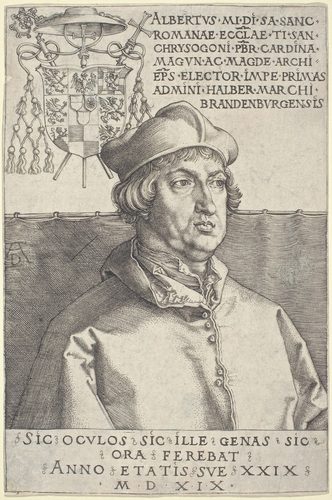
Line
The mark that starts everything
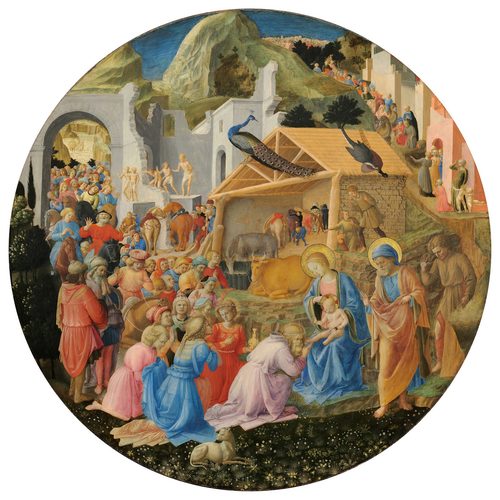
Shape
Flat areas that build every picture
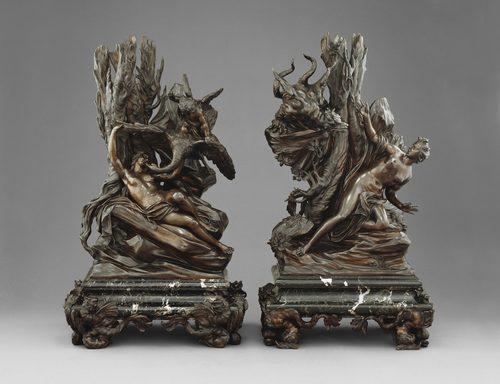
Form
The illusion, or the reality, of depth
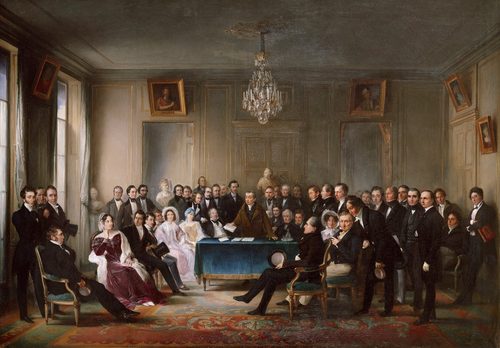
Color
The element that hits before thought
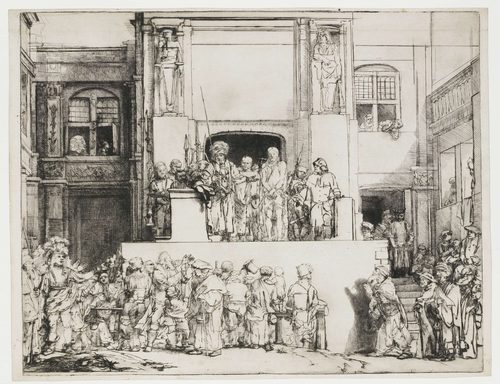
Value
Light against dark, the engine of drama
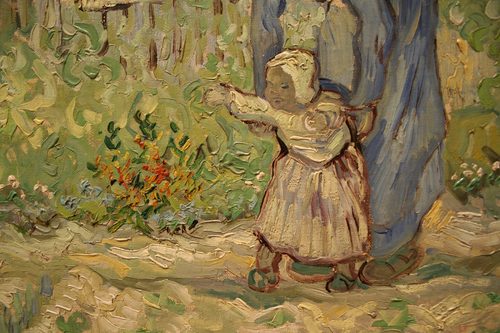
Texture
Surface you can feel with your eyes
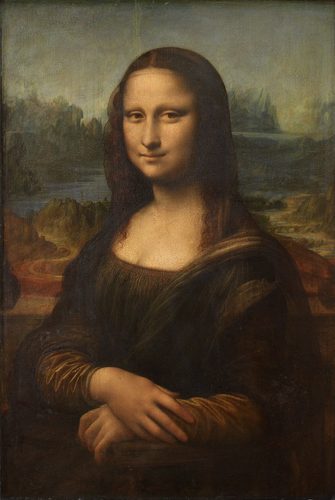
Space
The air between things
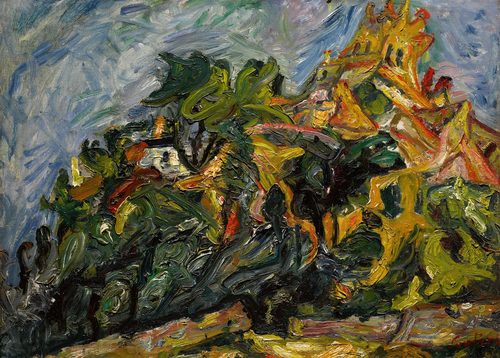
Actual Texture
Surface you could actually touch
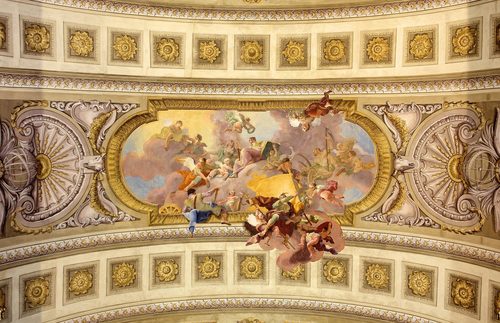
Implied Texture
Roughness you see but never feel
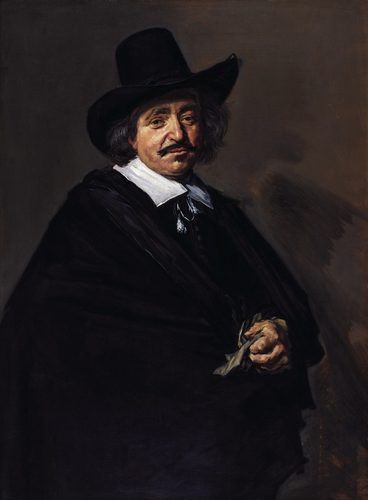
Positive Space
The shape that isn't empty
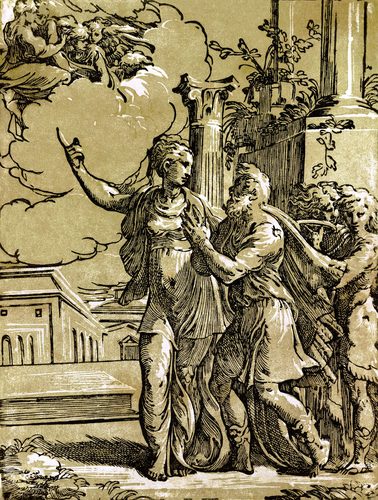
Light and Shadow
Where darkness gives light its power
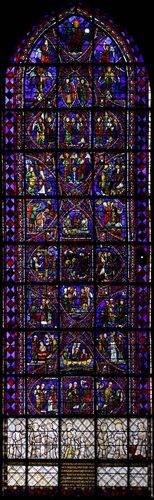
Tone
The full range from darkest dark to brightest light
The Principles
How the ingredients get organized.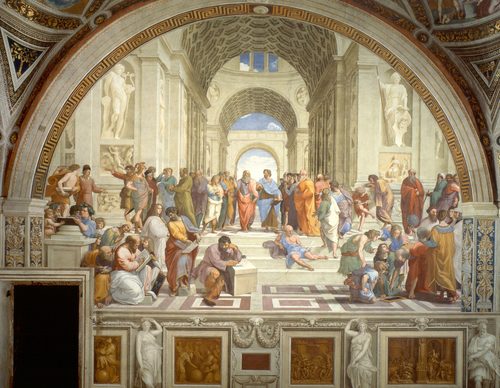
Balance
Visual weight, evenly spent
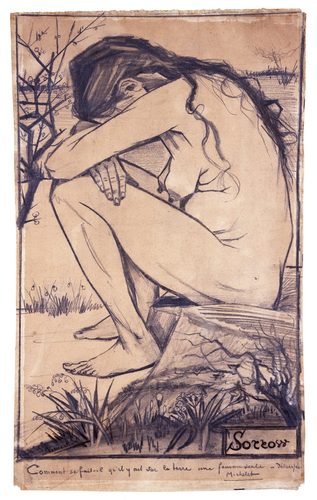
Contrast
Difference that creates focus
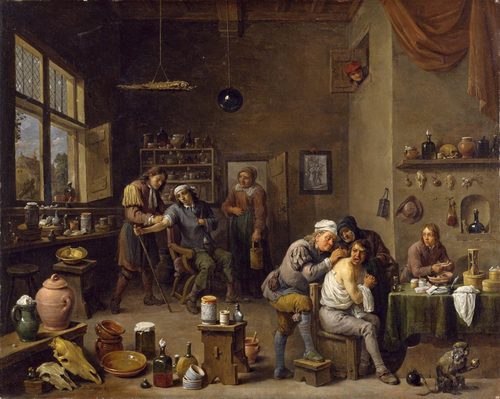
Emphasis
Making the eye land where you want
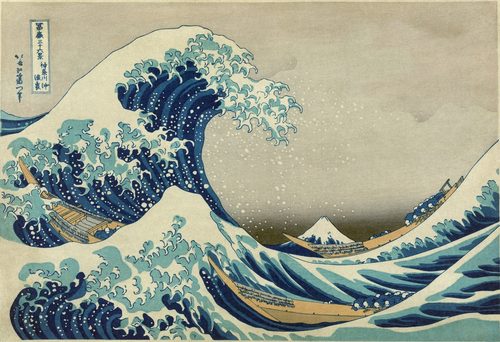
Movement
How a still image moves the eye
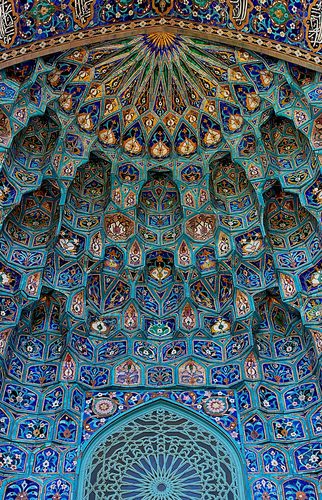
Pattern
Repetition with a pulse
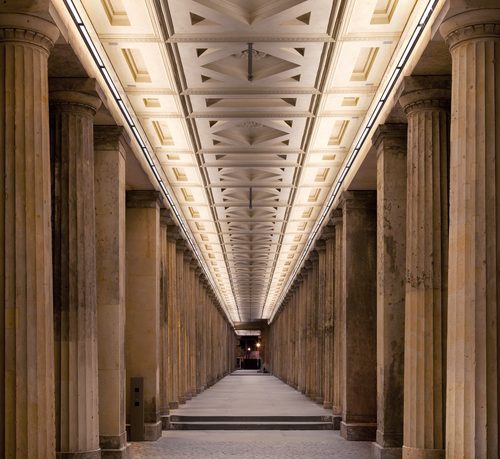
Rhythm
Visual beat, repeated
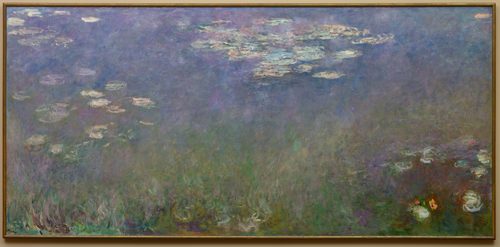
Unity
When every part belongs
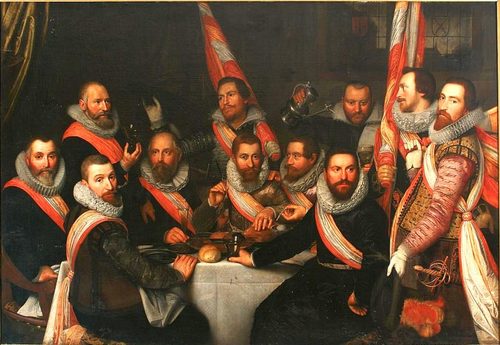
Variety
Difference that keeps things alive
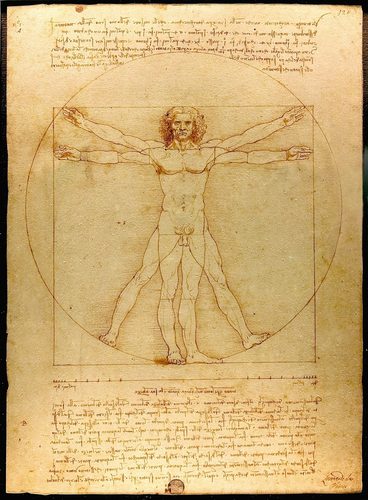
Proportion
The size of things, relative
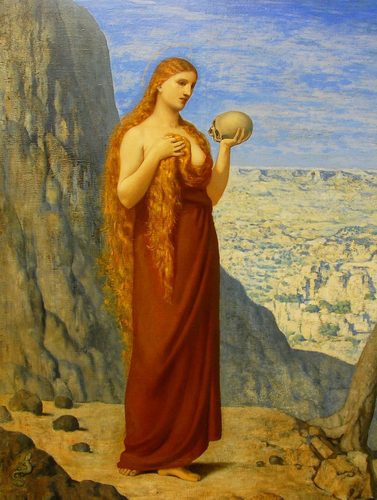
Harmony
Elements that agree
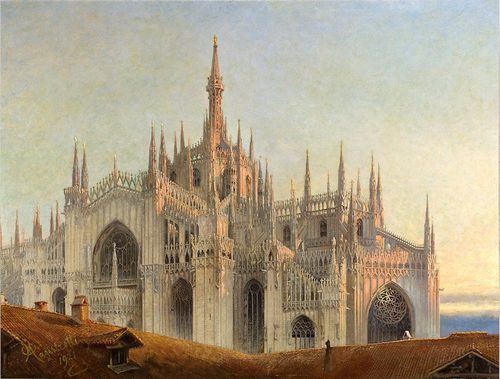
Gradation
Smooth steps instead of sudden jumps
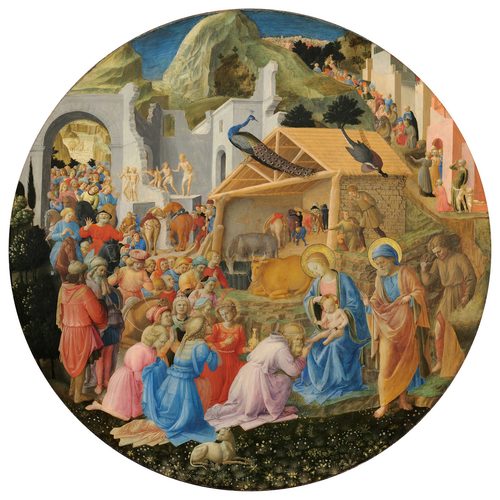
Hierarchy
Size and placement decide who matters
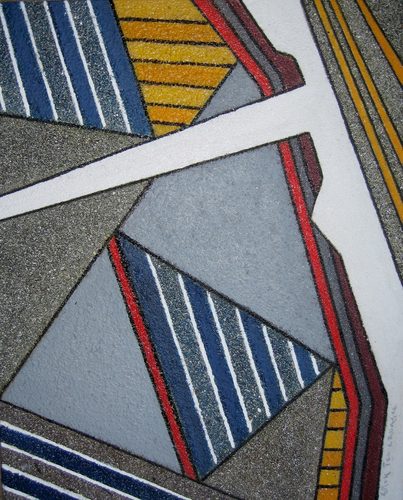
Tension
The pull between opposing forces on a canvas
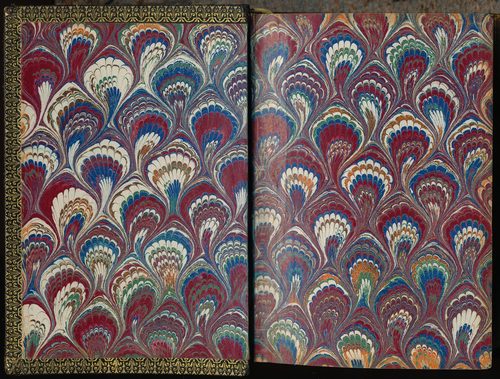
Randomness
When chance, not planning, makes the image
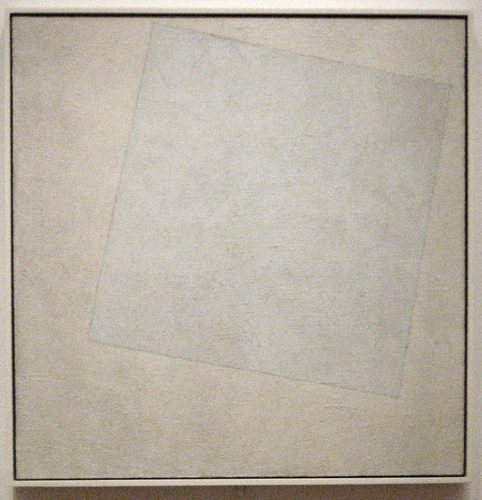
Simplicity
Saying more with less — art stripped to its essentials
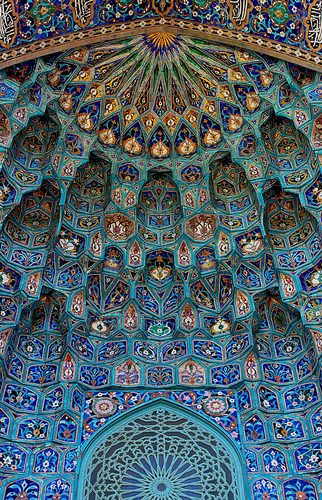
Complexity
When more is more — art built from layered detail
Design Moves
The compositional plays artists run.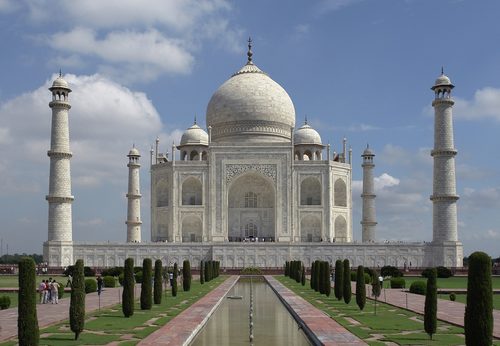
Symmetry
Mirror order and its calm authority
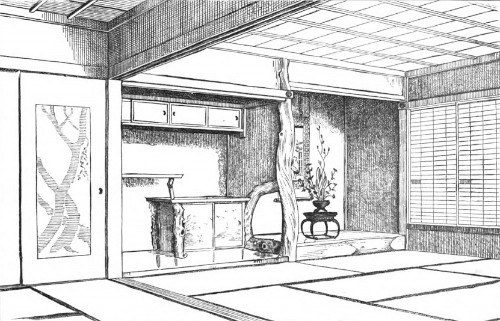
Asymmetry
Balance without a mirror line.
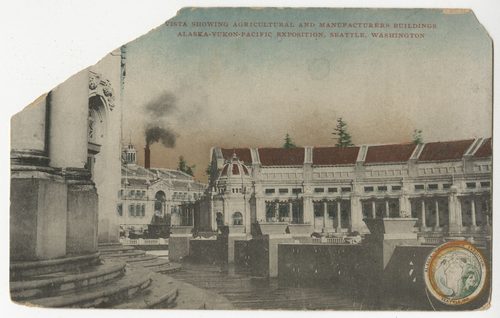
Repetition
The same thing, again, on purpose.
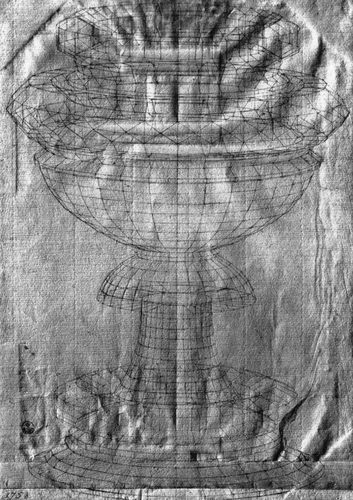
Perspective
The geometry of depth.
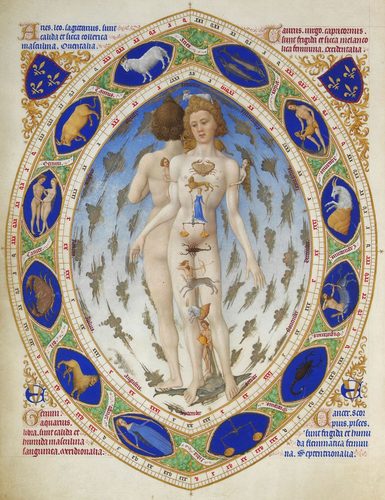
Scale
Size as meaning.
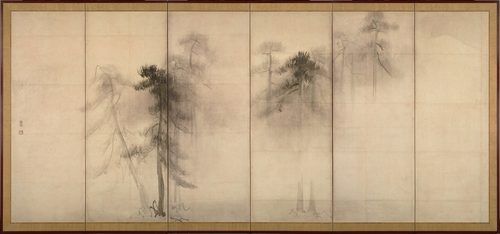
Negative Space
The shape of nothing.
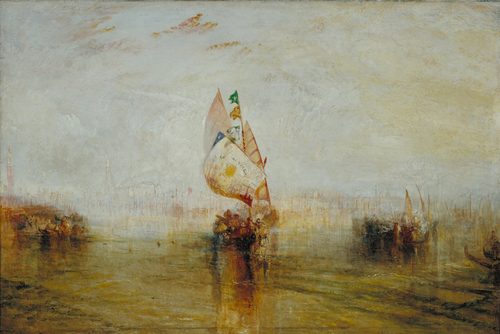
Focal Point
The destination of every glance.
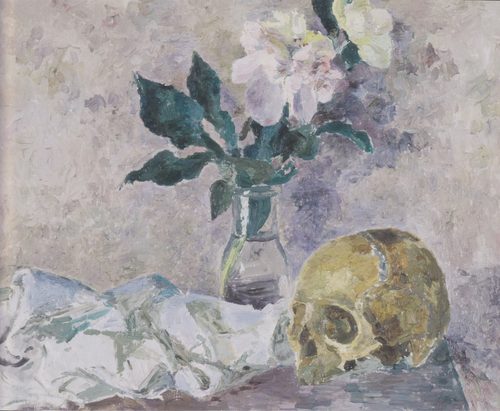
Juxtaposition
Meaning made by what you put next to what.
Color Logic
Palettes and why they work.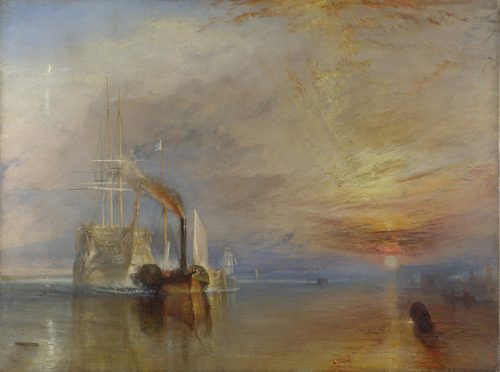
Warm Colors
Reds, oranges, and yellows that jump off the canvas
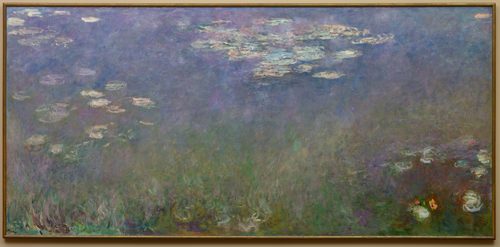
Cool Colors
Blues, greens, and violets that pull back into space
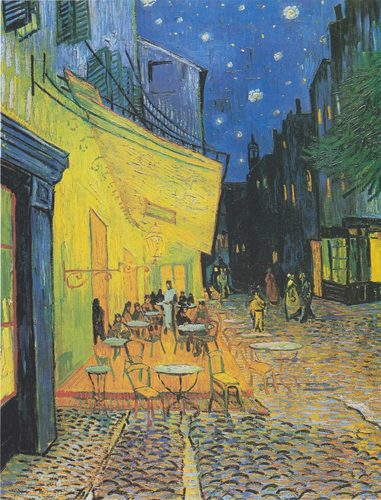
Complementary Colors
Opposites on the color wheel that make each other louder
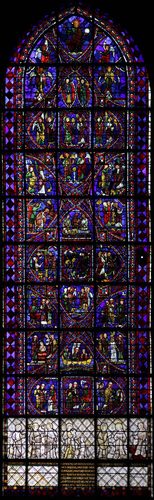
Monochromatic
One hue, every value, endless range
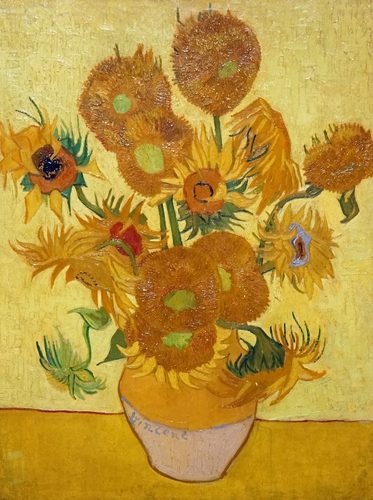
Analogous Colors
Neighbors on the color wheel, working in harmony
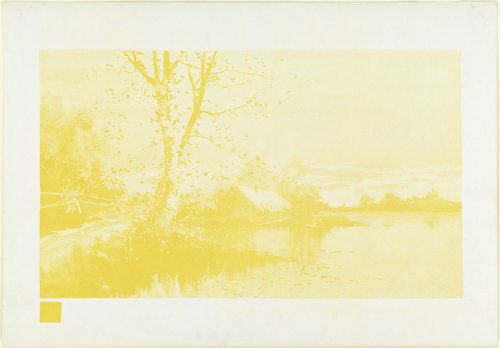
Triadic Colors
Three hues, evenly spaced, always in balance
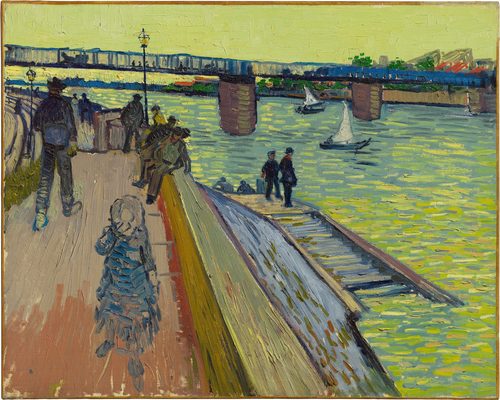
Split-Complementary Colors
One color, plus the two neighbors of its opposite
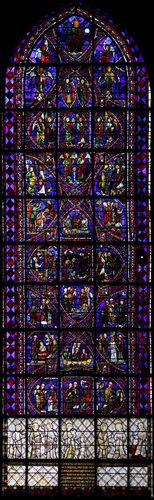
Neutral Colors
Grays, browns, and blacks that let other colors sing
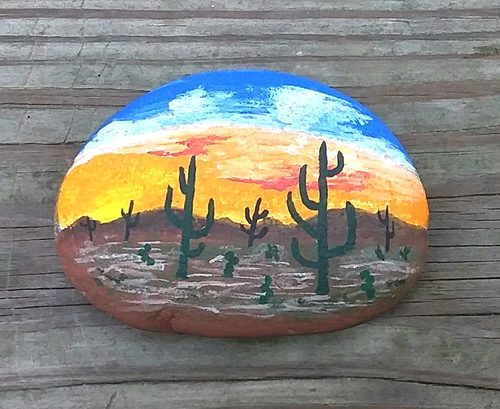
Color Temperature
Warm pushes forward, cool pulls back
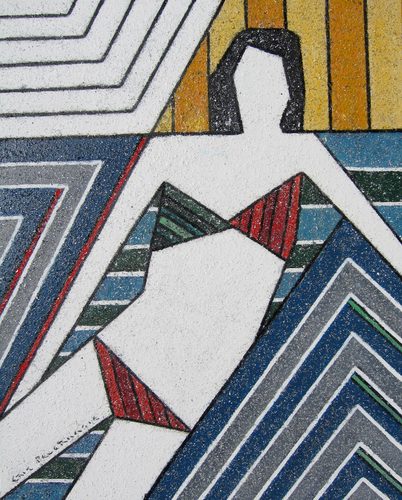
Saturation
Color turned up loud, or turned all the way down
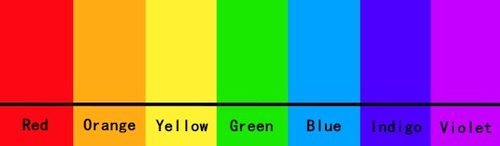
Hue
The pure color itself, before light or gray touch it
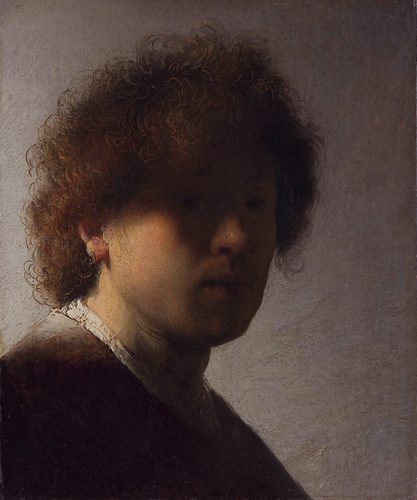
Tint and Shade
White lightens a hue to a tint; black deepens it to a shade.
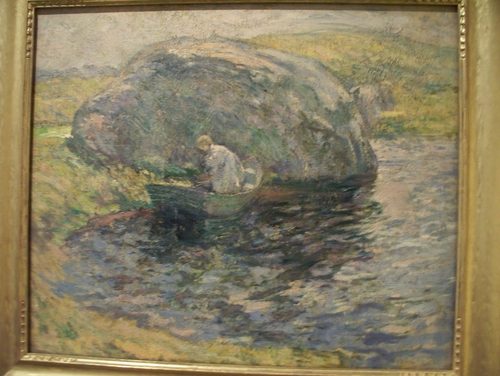
Color Harmony
When a palette works together instead of fighting itself
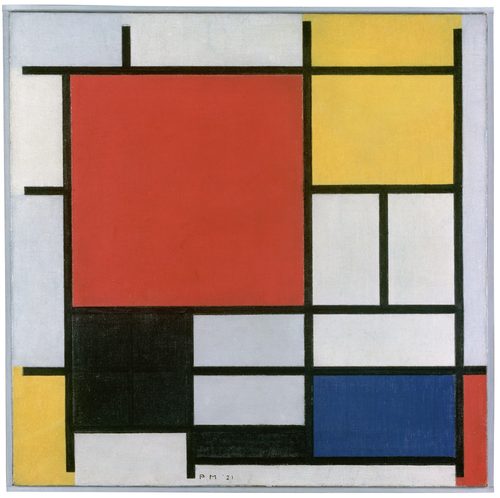
Primary Colors
Red, yellow, and blue — the three hues nothing else can mix into
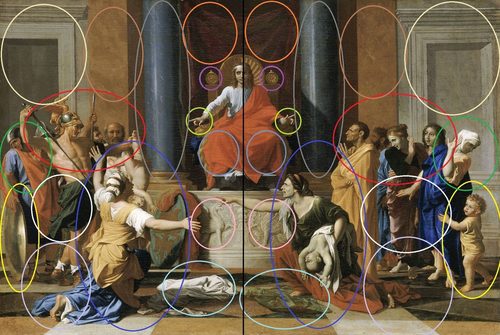
Secondary Colors
Orange, green, and violet — mixed from two primaries
Shape Language
Geometry, growth and the lines between.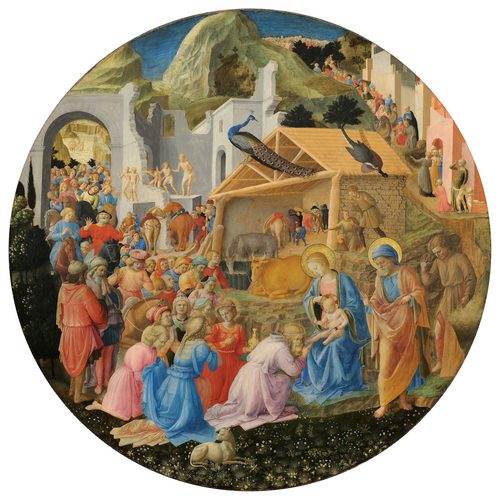
Geometric Shapes
Circles, squares, and triangles that build the visible world
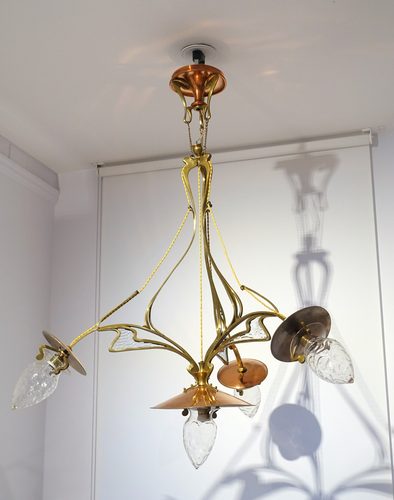
Organic Shapes
The free-form curves of leaves, bodies, and living things
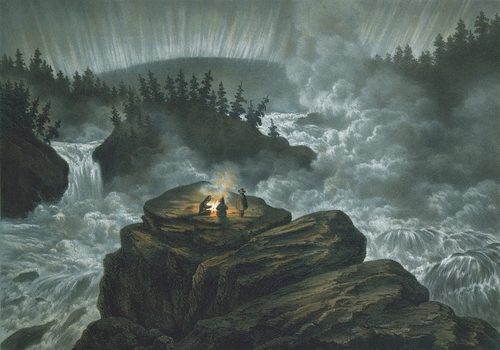
Implied Line
The line your eye draws, not the artist.
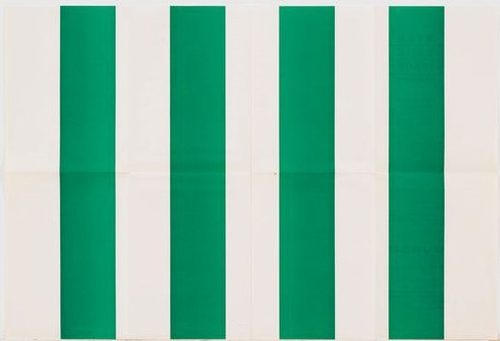
Abstract Shapes
Shapes freed from ever having to represent anything
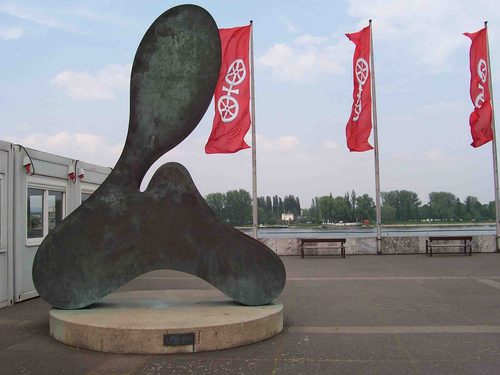
Biomorphic Shapes
Curved, organic forms borrowed from living things

Silhouette
A flat black shape that speaks through outline alone
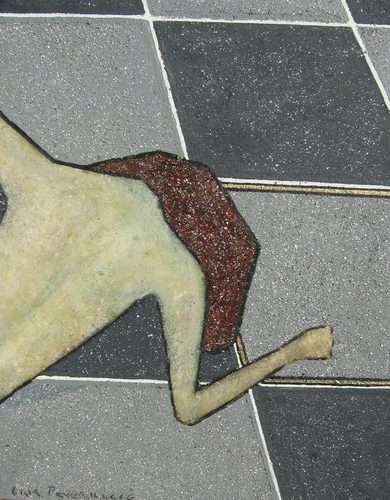
Distortion
Stretching, warping, or exaggerating form on purpose
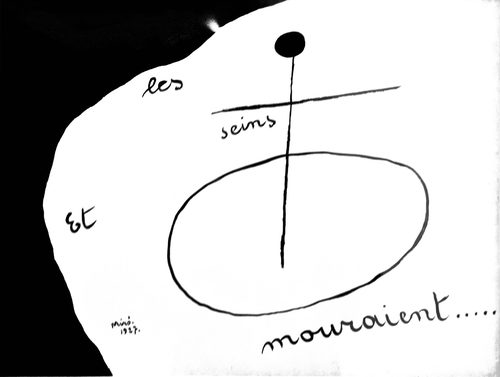
Fragmentation
Breaking a single form into overlapping pieces
Depth & Illusion
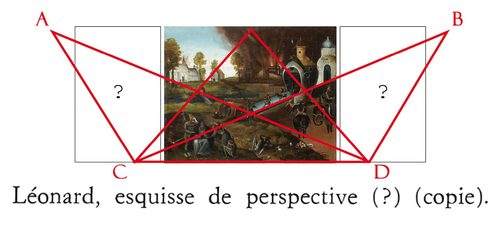
Linear Perspective
The geometry that makes flat paintings recede
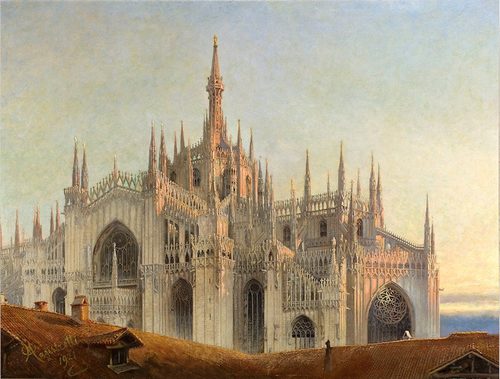
Atmospheric Perspective
Why distant mountains always look pale and blue
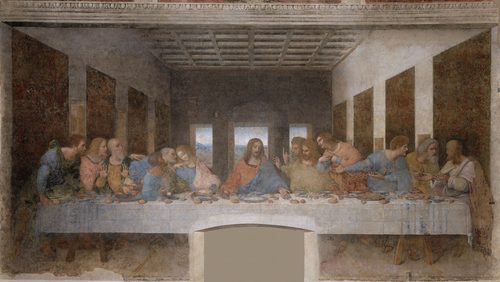
One-Point Perspective
One vanishing point, one dramatic hallway of depth
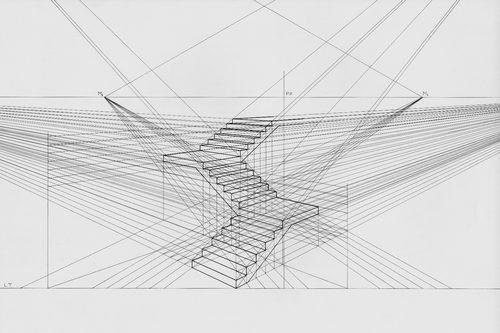
Two-Point Perspective
Two vanishing points, one convincing corner
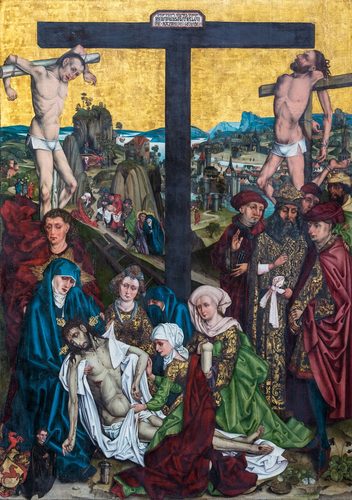
Foreshortening
The angle that makes a form leap off the page
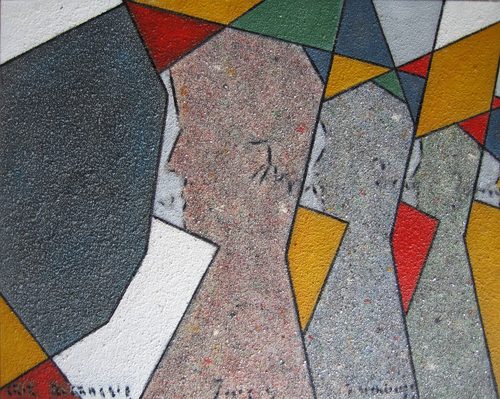
Overlapping
The simplest trick for telling what's near
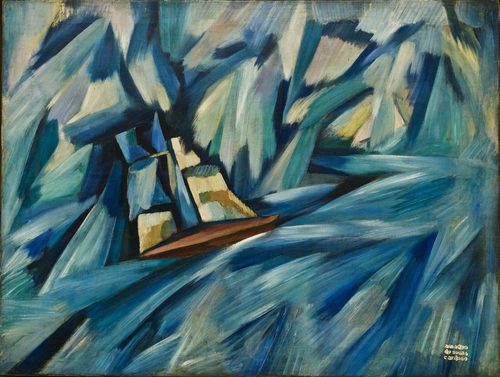
Depth
Turning a flat surface into believable space
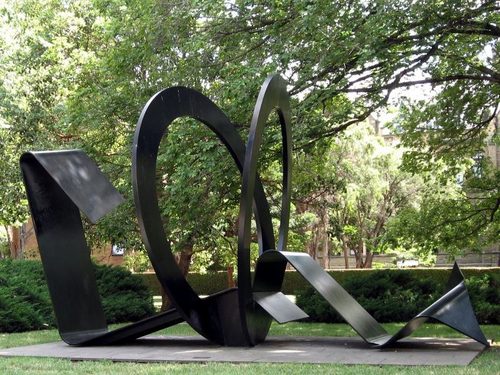
Flatness
When a picture openly admits it's just a flat surface
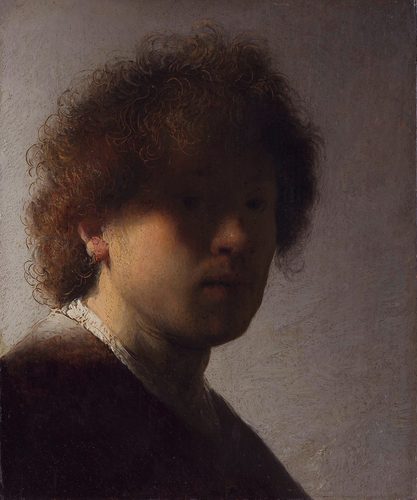
Chiaroscuro
Painting with pools of light against deep shadow
Composition Devices
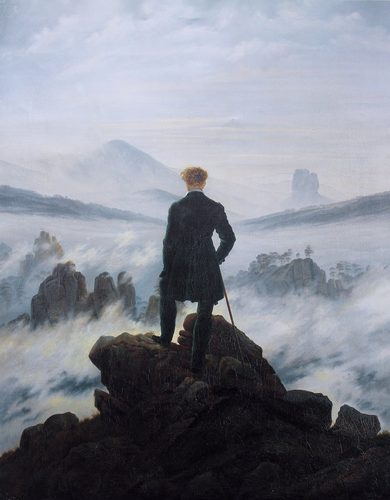
Rule of Thirds
Divide the frame in three, then put what matters off-center.
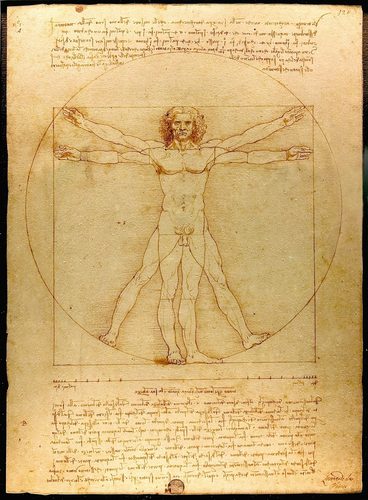
Golden Ratio
Nature's favorite proportion, borrowed by artists for centuries.
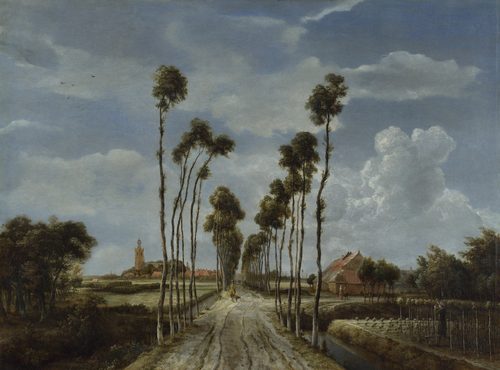
Leading Lines
Lines inside a picture that steer your eye straight to the point.
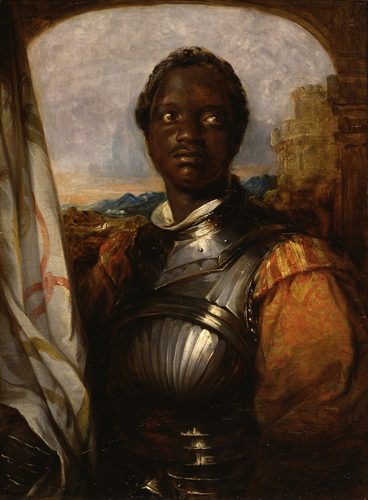
Framing
Turning doorways, arches, and branches into a picture's own frame
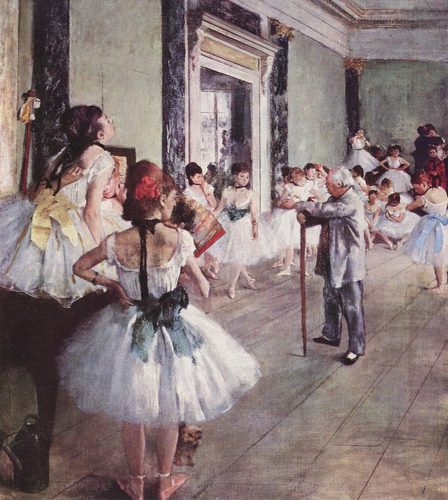
Cropping
Cutting the picture off before the subject ends

Viewpoint
Where the eye is placed changes everything it sees
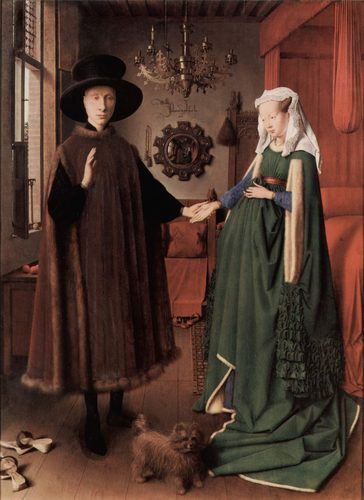
Symbolism
Objects that mean more than they show
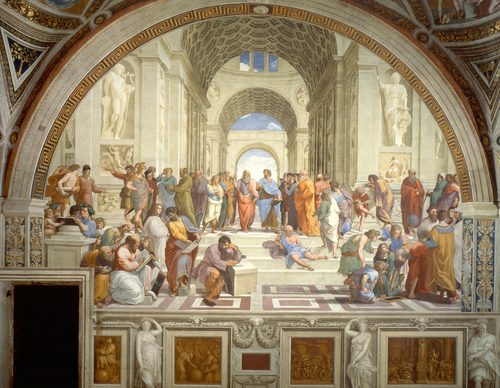
Allegory
A story that means something else entirely
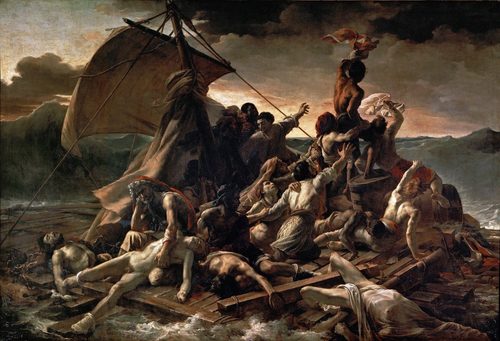
Narrative
A single image telling a whole story
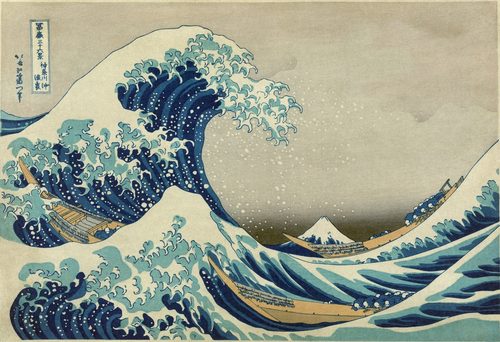
Motif
The image an artist can't stop repeating
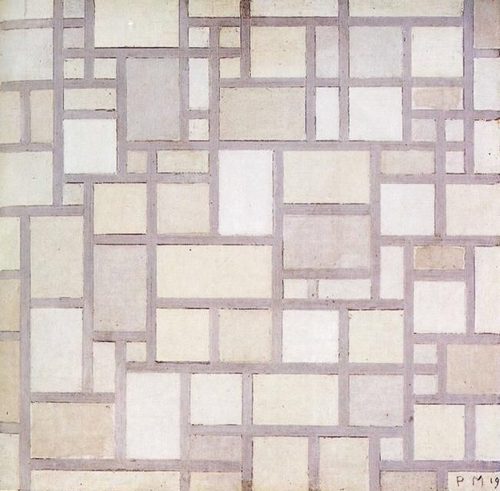
Grid Composition
When rows and columns do the composing
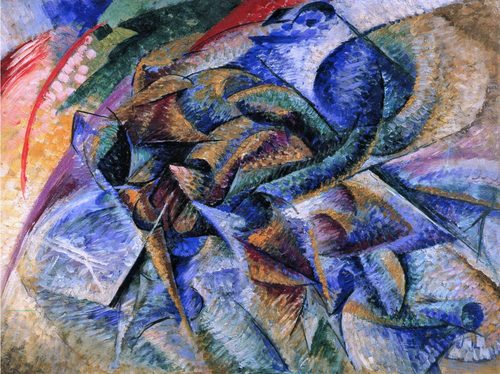
Dynamic Composition
Diagonals and spirals that set a picture in motion