 Art
Art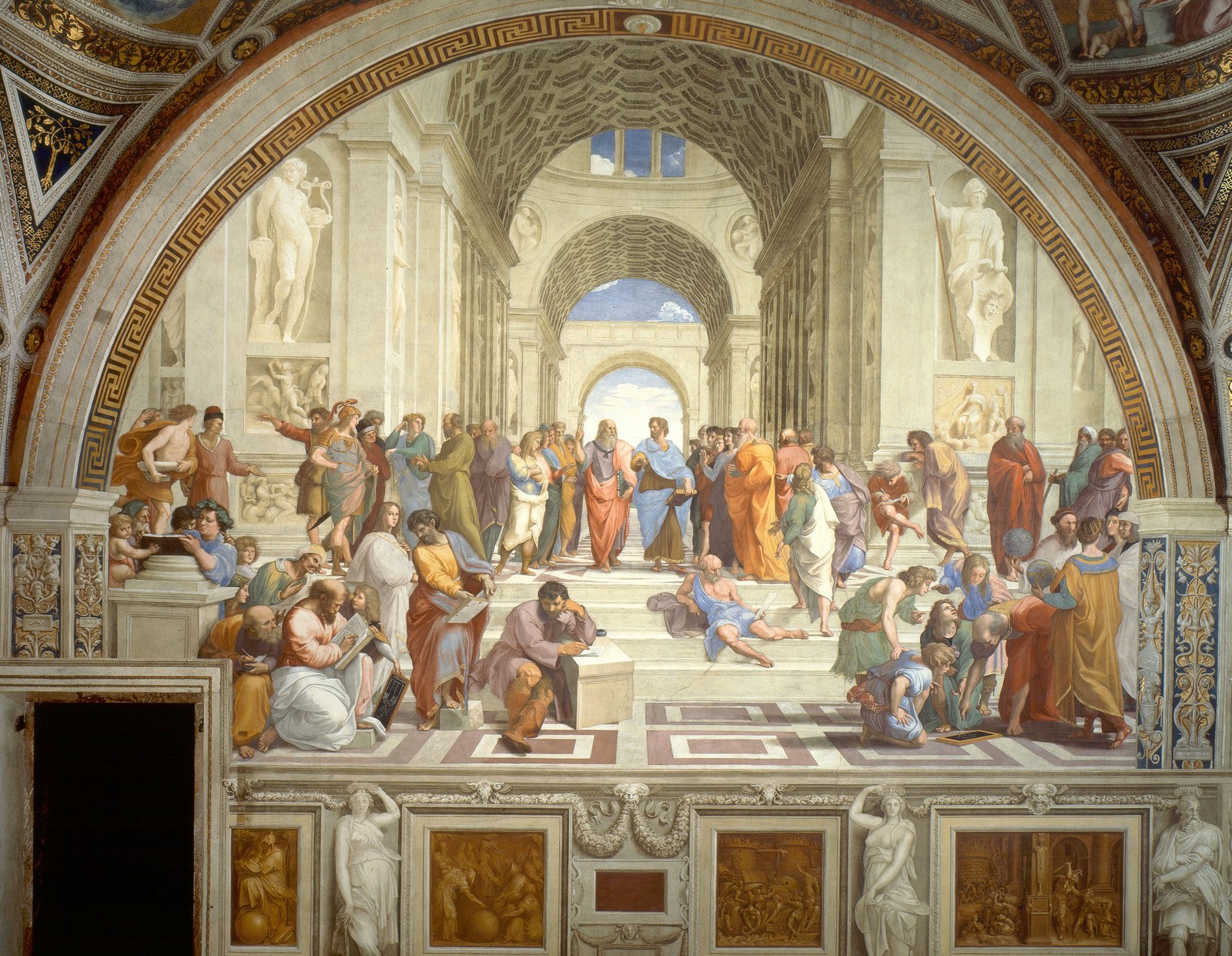
![Venus, Cupid, Folly and Time [Allegory of the Triumph of Venus] — Allegory](https://media.artexamples.com/encyclopedia/allegory/commons-2-thumb.jpg)
Allegory is a mode of picture-making in which characters, objects, and settings stand for something other than themselves, usually an abstract idea, virtue, vice, or historical force, acted out as if it were a real event. A painted figure holding scales and wearing a blindfold is not just a woman; she is Justice made visible. Allegory differs from simple symbolism because it builds an entire scene, often a whole narrative, out of personified ideas working together, rather than dropping one loaded object into a realistic setting. Renaissance humanists revived the classical habit of personifying abstractions as Greco-Roman deities, so a painting of Venus and Mars together could argue that love tempers war. Civic and religious institutions commissioned allegories to instruct: a town hall fresco might personify Good Government to remind rulers of their duties. Reading allegory requires recognizing conventional attributes, since the same object can identify entirely different personified ideas depending on context.
How artists use it
Personified virtues
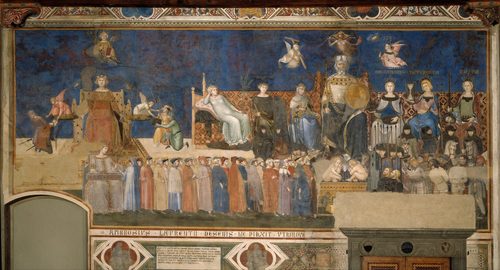
Ambrogio Lorenzetti's Allegory of Good Government fresco surrounds an enthroned ruler figure with personifications of Peace, Fortitude, and Justice, each identified by a specific attribute, turning civic advice into a populated scene rather than a written law.
Mythology as argument
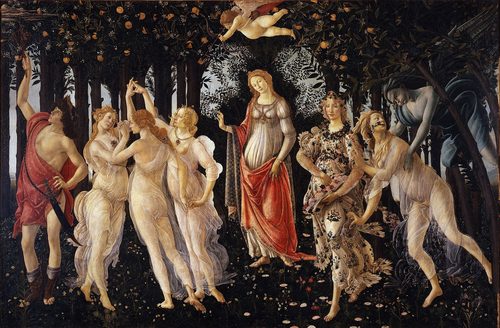
Botticelli's Primavera stages Zephyr, Flora, the Three Graces, and Venus together in one garden, using classical myth to allegorize the arrival of spring and the civilizing power of love, without a single literal calendar or season depicted.
Philosophy made visible
In The School of Athens, Raphael personifies branches of knowledge as historical philosophers gathered under one roof, with Plato pointing skyward and Aristotle gesturing to the earth to allegorize idealism versus empiricism.
Attributes for clarity
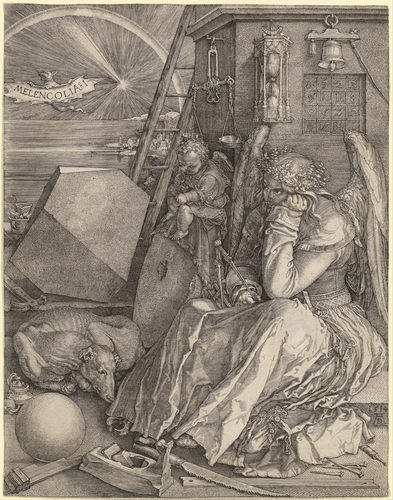
Allegorical figures are legible only through their props: a blindfold and scales mean Justice, a wheel means Fortune, a scythe and hourglass mean Time. Painters relied on emblem books to keep these attributes consistent across artists and centuries.
Art about art
Vermeer's The Art of Painting shows a painter at his easel working from a model dressed as Clio, the muse of history, allegorizing painting itself as a noble, historically significant pursuit rather than mere craft.
Allegory of mortality
Pieter Bruegel the Elder's The Triumph of Death allegorizes death as an unstoppable invading army of skeletons overrunning peasants and nobles alike, arguing visually that death spares no rank or wealth.
Instant examples
Allegory in famous works, fast
- Blindfolded woman with scales
- → Justice — impartiality weighing evidence without favor, a stock figure in courthouse and civic art.
- Winged old man with scythe and hourglass
- → Father Time — the inevitable passage and destructive power of time.
- Woman spinning a wheel
- → Fortune — the unpredictable rise and fall of human luck and fate.
- Skeleton army
- → Death personified as an inevitable, indiscriminate force, as in Bruegel's Triumph of Death.
- Woman with cornucopia
- → Abundance or Plenty — overflowing fruit and grain signal prosperity and fertility.
- Figure holding a mirror and snake
- → Prudence — self-reflection paired with worldly wisdom, a common civic virtue attribute.
The story
Personification has classical roots: Greek and Roman art and literature gave human form to virtues, seasons, and rivers long before Christianity arrived. Medieval manuscripts and morality plays kept the habit alive, teaching lessons through characters like Everyman standing in for humanity itself. Italian civic governments commissioned allegory to instruct rulers directly, most famously Ambrogio Lorenzetti's 1338–39 fresco cycle for Siena's town hall, contrasting Good and Bad Government through personified virtues and vices. The Renaissance revival of classical learning brought mythological allegory back into fashion, seen in Botticelli's Primavera around 1480 and Raphael's School of Athens a generation later. Northern European painters used allegory for moral warning rather than celebration, as in Bruegel's grim mid-sixteenth-century Triumph of Death. By the Dutch Golden Age, allegory turned self-referential, with Vermeer allegorizing painting itself around 1666–68. Emblem books published across the sixteenth and seventeenth centuries standardized attributes so audiences could reliably decode any given personified figure.
The canonical examples
| Work | Artist | Date | Why it matters |
|---|---|---|---|
| Primavera | Sandro Botticelli | c. 1480 | Zephyr, Flora, the Three Graces, and Venus together allegorize the arrival of spring and the civilizing force of love |
| The School of Athens | Raphael | 1509–1511 | Plato points skyward and Aristotle gestures to the ground, personifying the split between idealist and empirical philosophy |
| The Art of Painting | Johannes Vermeer | c. 1666–68 | a model dressed as Clio, muse of history, allegorizes painting itself as a noble, history-worthy pursuit |
| Allegory of Good Government | Ambrogio Lorenzetti | 1338–39 | an enthroned ruler surrounded by personified Virtues argues visually for the benefits of just civic rule |
| The Triumph of Death | Pieter Bruegel the Elder | c. 1562 | an army of skeletons overwhelms peasants and nobles alike, allegorizing death's indifference to rank |
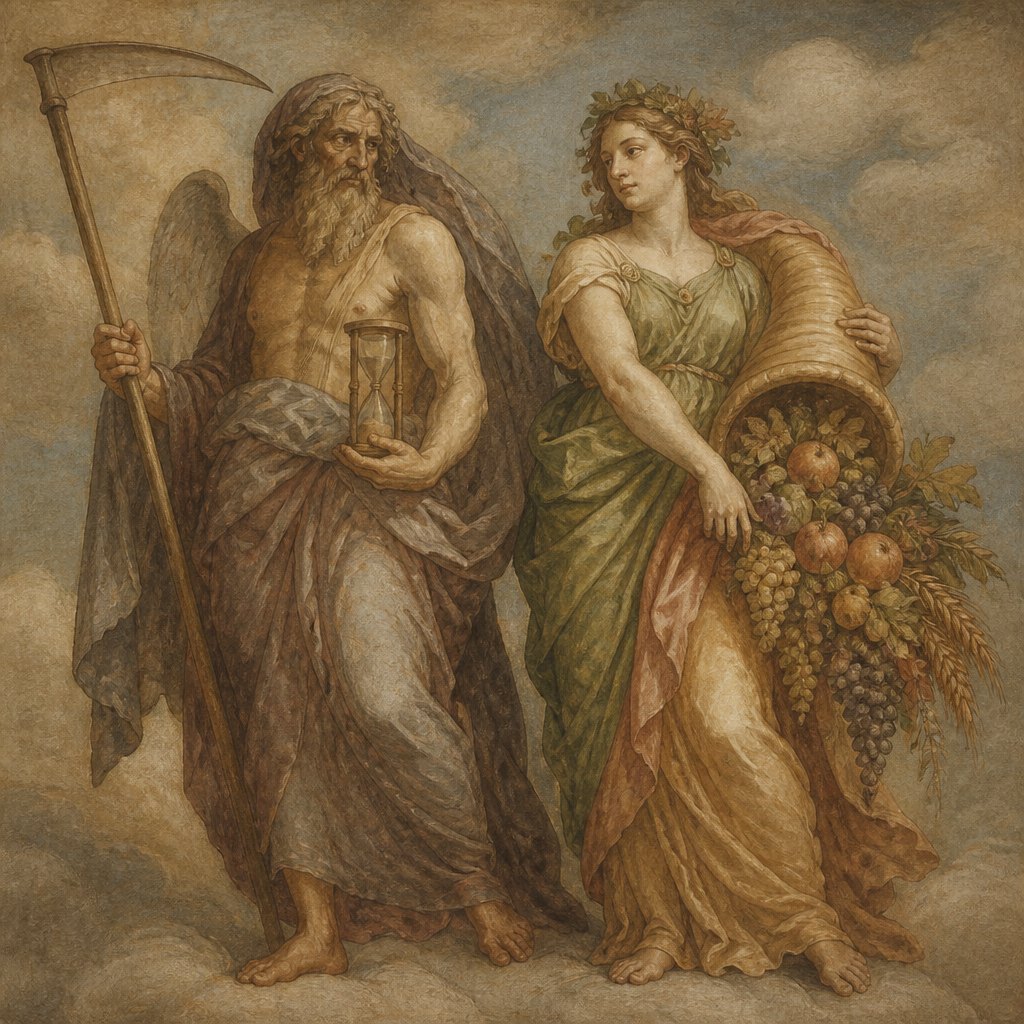 AI-generated
Try it yourself
Practice allegory with AI
This example was generated from a prompt like: “A classical fresco-style scene of a robed personification of Time holding a scythe and hourglass beside a personification of Abundance holding an overflowing cornucopia, muted Renaissance earth tones, soft fresco texture.”
Open the Allegory Art Style generator →The concept today
Personification still drives visual shorthand: Lady Liberty and Uncle Sam are allegorical figures doing exactly what Lorenzetti's Virtues did. Editorial cartoonists personify nations, economies, and diseases as single symbolic characters to argue a point fast. Video games and film still costume abstract forces, time, death, fate, as characters. Holiday figures like Father Time work the same way allegory always has: giving an idea a face.
Compose your own
Start by naming the abstract idea you want to depict, then choose a figure and give it two or three recognizable attributes so viewers can identify it without a caption. Stage that figure in an action, not just a pose, since allegory works best as a small narrative rather than a static label. Combine several personified ideas in one scene to build an argument, the way Lorenzetti pairs Good Government with its supporting Virtues. Check historical attribute conventions before inventing your own, since misreading a wheel or a mirror can flip your intended meaning entirely.
Frequently asked questions
What is allegory in art?
Allegory is a way of representing abstract ideas, virtues, or historical forces as characters and scenes acting out a story, so a painting can argue a moral or political point visually rather than through text.
What is the difference between allegory and symbolism?
Symbolism loads individual objects with meaning, while allegory builds an entire narrative or cast of personified figures around an abstract idea, working more like a staged argument than a single coded object.
What is Botticelli's Primavera an allegory of?
Primavera allegorizes the arrival of spring and the civilizing power of love, staging Zephyr, Flora, the Three Graces, and Venus together in one mythological garden scene.
How do you identify a personified figure in an allegorical painting?
Look at the attributes it carries: scales and a blindfold mean Justice, a wheel means Fortune, a scythe and hourglass mean Time. Renaissance and Baroque audiences learned these attributes from emblem books.