 Art
Art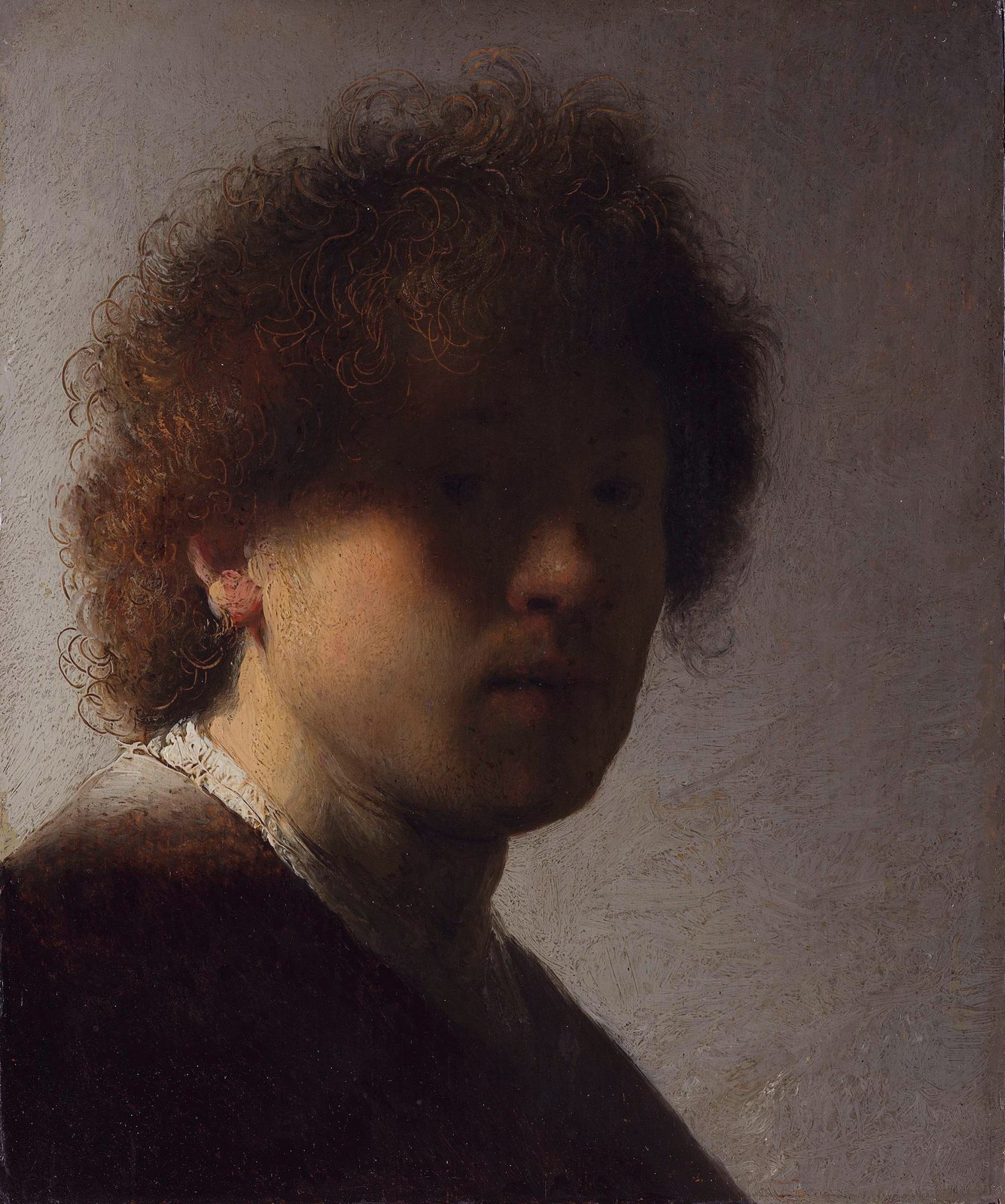
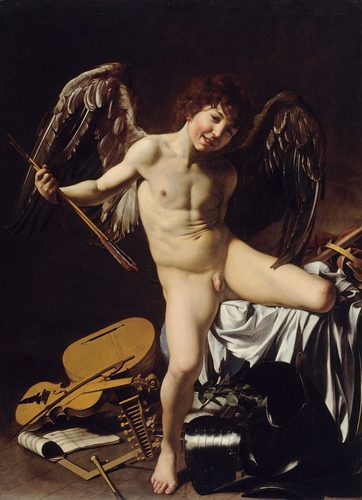
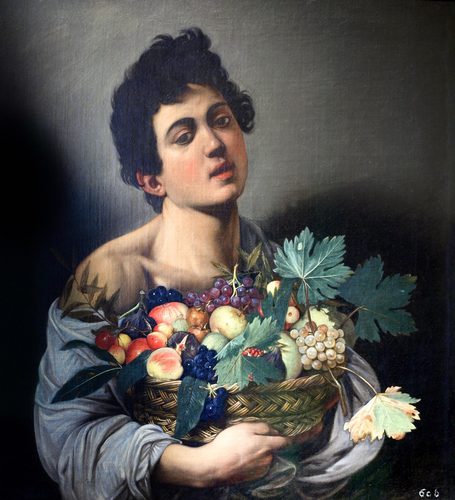
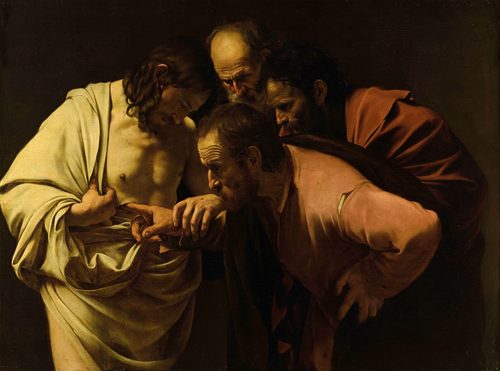
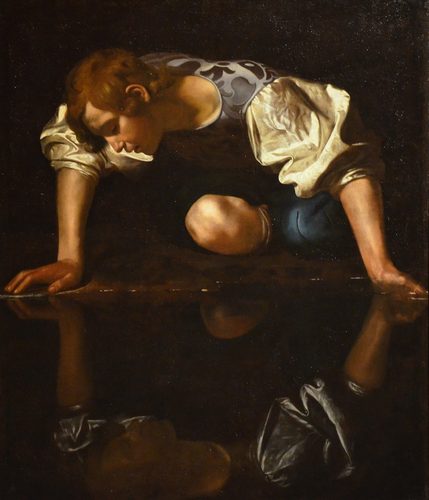
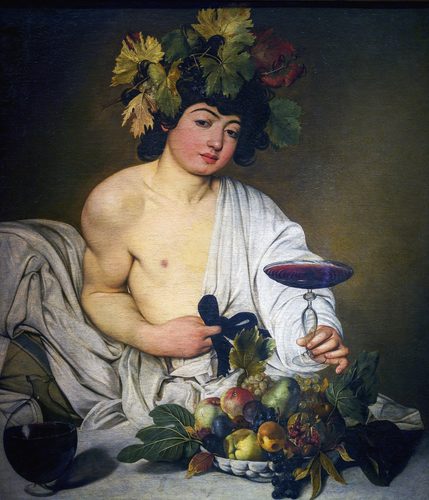
Chiaroscuro, from the Italian for 'light-dark,' is the technique of using strong contrast between illuminated and shadowed areas to model three-dimensional form and generate mood on a flat surface. Rather than lighting a whole scene evenly, an artist imagines a single, directional light source, often a candle, torch, or shaft of window light, and lets everything outside its reach fall into shadow. This does two jobs at once: it makes rounded objects, faces, and drapery look convincingly solid through gradual light-to-dark transitions, and it directs the viewer's attention straight to whatever the light touches. Pushed to its most extreme, chiaroscuro becomes tenebrism, where most of the canvas is swallowed in near-black darkness and only a narrow, dramatic slice of the scene is lit, a look most associated with Italian Baroque painting around 1600.
How artists use it
Single directional light source
Georges de La Tour builds Joseph the Carpenter around one candle held by a young boy, its flame the sole source of illumination in the picture. Every shadow in the composition falls logically away from that single point, giving the scene an intimate, believable glow.
Tenebrism
Caravaggio's Supper at Emmaus surrounds a brightly lit table and startled apostles with a background swallowed almost entirely in black. Pushing shadow to near-total darkness, rather than a soft gray, sharpens the contrast and makes the lit figures feel startlingly present.
Narrative spotlighting
In The Calling of Saint Matthew, Caravaggio sends a sharp diagonal beam of light across a dim tavern to land on Matthew's face and the pointing hand of Christ. The light itself narrates the scene, isolating the exact moment of the calling from the surrounding gloom.
Gradual tonal modeling
Chiaroscuro relies on a smooth value scale between the lightest highlight and the deepest shadow to make a face or a fold of drapery look rounded rather than flat. The gradation, not outline, does the work of describing volume across a curved surface.
Chiaroscuro woodcut printing
In the early 1500s, printmakers led by Ugo da Carpi developed the chiaroscuro woodcut, using several carved blocks inked in different tonal values of the same color to mimic drawn light and shadow, translating the painterly technique into multiple-block printmaking.
Warm glow against dark ground
Rembrandt's The Night Watch lights Captain Frans Banning Cocq and the girl in yellow with a warm golden glow that pushes them forward from the surrounding militia, who recede into cooler, darker tone. Light becomes a way of organizing a crowded composition's hierarchy.
Instant examples
Chiaroscuro in famous works, fast
- A single candle flame lighting a face in a dark room
- → intimate chiaroscuro — one small, warm light source defines the whole composition's mood.
- A sharp diagonal shaft of light cutting through darkness
- → Caravaggesque spotlighting — light isolates the key narrative moment from its dim surroundings.
- An illuminated hand or face against a near-black background
- → tenebrism — extreme darkness pushes the lit form forward with startling immediacy.
- A face lit brightly on one side, deep in shadow on the other
- → dramatic dual lighting — used to suggest inner conflict, revelation, or heightened emotion.
- Figures barely emerging from a black background
- → tenebrism at its most extreme — most of the canvas offers no visual information at all.
- Warm golden light fading into deep brown shadow
- → Rembrandt's characteristic glow — light organizes attention within a crowded, dim scene.
The story
The term chiaroscuro emerged in Italian Renaissance art writing, describing techniques already visible in Leonardo da Vinci's soft sfumato shading and Correggio's gently modeled figures in the early 1500s. Around the same time, printmakers including Ugo da Carpi adapted the idea into the chiaroscuro woodcut, using multiple carved blocks to build up tonal light and shadow in prints. The technique reached its most dramatic form around 1600 in Rome, where Caravaggio pioneered tenebrism, plunging most of his canvases into near-total darkness so a narrow beam of light could isolate a single dramatic gesture. His influence spread rapidly through Europe via painters now called the Caravaggisti, including Artemisia Gentileschi, Jusepe de Ribera, and Georges de La Tour, and reached the Dutch Republic through Rembrandt van Rijn, whose warm, glowing chiaroscuro defined much of Dutch Baroque portraiture and history painting through the mid-1600s.
The canonical examples
| Work | Artist | Date | Why it matters |
|---|---|---|---|
| The Calling of Saint Matthew | Caravaggio | 1599–1600 | a sharp beam of light cuts across a dark tavern to land on Matthew's face and Christ's pointing hand |
| Judith Beheading Holofernes | Artemisia Gentileschi | 1614–1620 | strong tenebrism concentrates light on the violent central action against an almost black background |
| The Night Watch | Rembrandt van Rijn | 1642 | warm light singles out Captain Cocq and the girl in yellow amid the darker, shadowed militia group |
| Joseph the Carpenter | Georges de La Tour | c. 1642 | a single candle flame held by a boy is the sole light source, casting the workshop into deep shadow |
| Supper at Emmaus | Caravaggio | 1601 | bright light on the table and apostles' gestures contrasts sharply against a nearly black background |
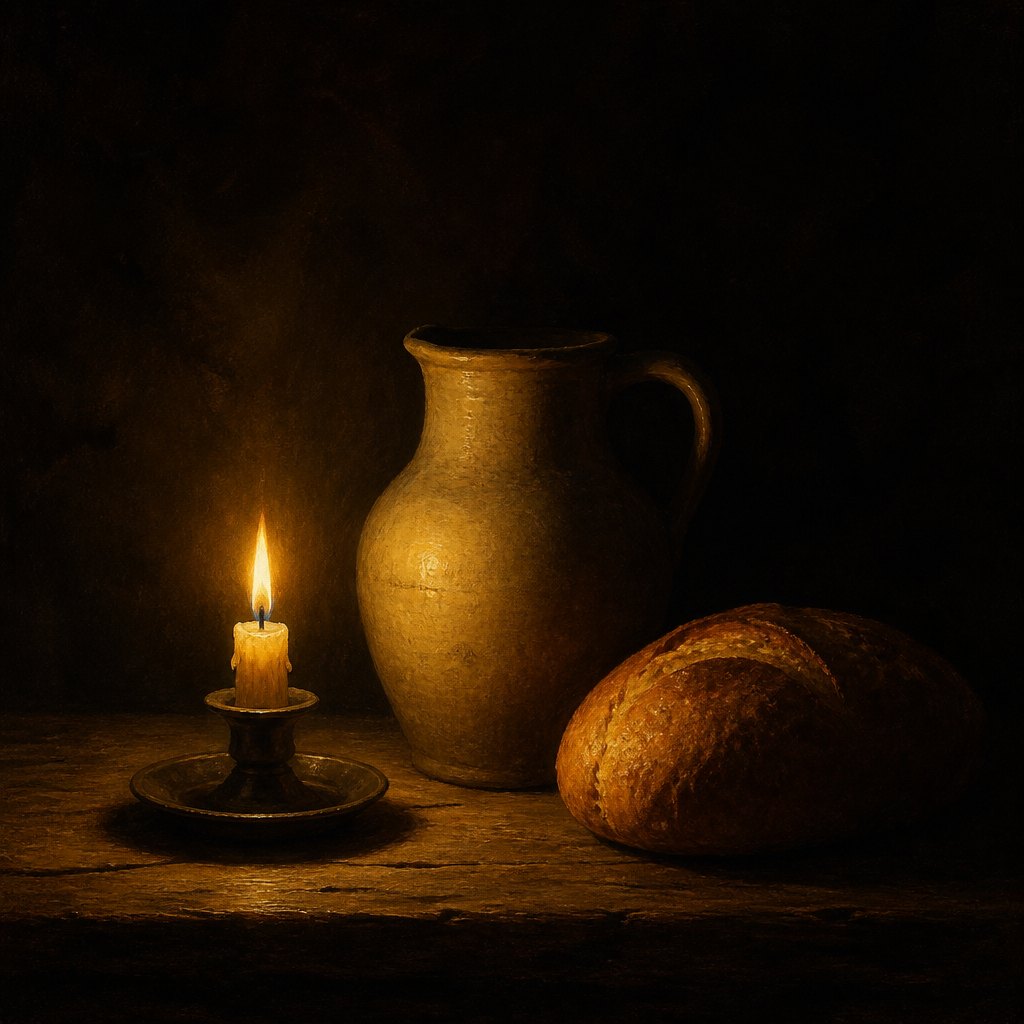 AI-generated
Try it yourself
Practice chiaroscuro with AI
This example was generated from a prompt like: “A single lit candle on a wooden table illuminating a plain ceramic jug and a loaf of bread, the rest of the room dissolved into deep black shadow, dramatic single light source, warm glow against darkness, painterly Baroque style.”
Open the Chiaroscuro Art Style generator →The concept today
Chiaroscuro survives most visibly in film noir cinematography, where a single hard key light and deep shadow build tension exactly as Baroque painters did with a candle. Studio photographers still call directional single-source lighting 'Rembrandt lighting.' Comic book inkers use heavy black shadow shapes to model form the way Caravaggio's followers once did in oil, and video game cutscenes and horror films lean on the same narrow-spotlight-in-darkness formula to control what an audience notices first.
Compose your own
Set up a simple still life, like a jug or piece of fruit, lit by a single lamp in an otherwise dark room, and draw or paint only what the light actually reveals, letting everything else go black. Practice a value scale from pure white to pure black and use it to model a sphere or a face, focusing on smooth transitions rather than sharp lines. Photograph a face lit from one side only to see how quickly a single light source creates drama. Study a Caravaggio reproduction by covering the lit areas and studying the shadow shapes alone, then reverse it, to see how much of the composition's power comes from darkness rather than light.
Frequently asked questions
What is the difference between chiaroscuro and tenebrism?
Chiaroscuro is the general technique of using light and dark contrast to model form. Tenebrism is an extreme version of it, pioneered by Caravaggio, where most of the canvas is plunged into near-total darkness with only a narrow area brightly lit.
Which artist is most associated with chiaroscuro?
Caravaggio is most closely associated with chiaroscuro and its extreme form, tenebrism, around 1600 in Rome. His dramatic single light sources influenced a generation of followers across Europe, including Artemisia Gentileschi and Georges de La Tour.
How does chiaroscuro create drama in a painting?
By limiting light to one strong source, chiaroscuro forces the eye toward whatever is illuminated, whether a face, hand, or gesture, while everything else disappears into shadow, giving even a quiet scene a heightened, theatrical sense of focus.
Is chiaroscuro only used in painting?
No. The same single-light, deep-shadow approach appears in Renaissance chiaroscuro woodcut prints, in Rembrandt-style studio photography lighting, in film noir cinematography, and in comic book inking, wherever strong contrast is used to model form and mood.