 Art
Art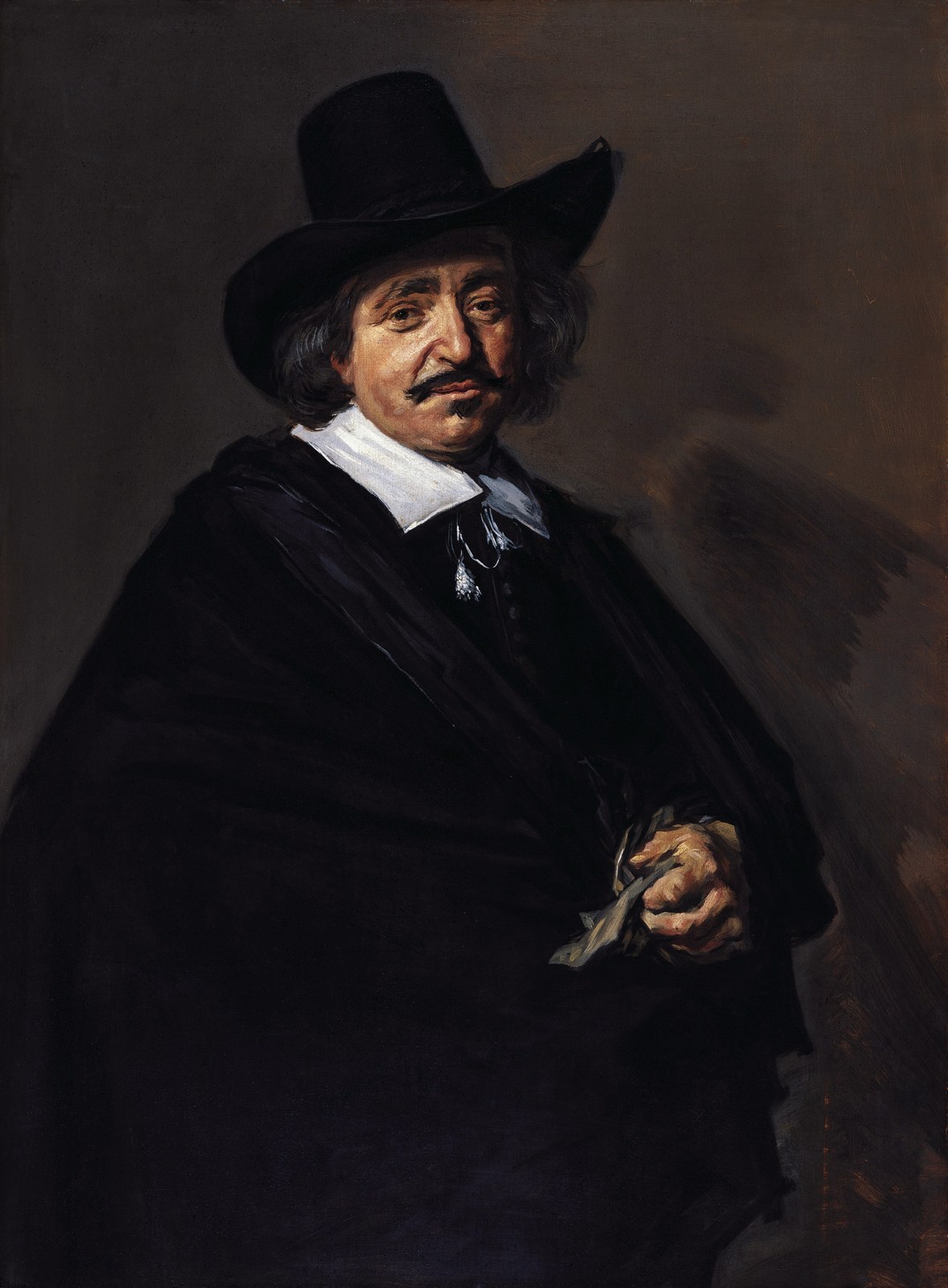
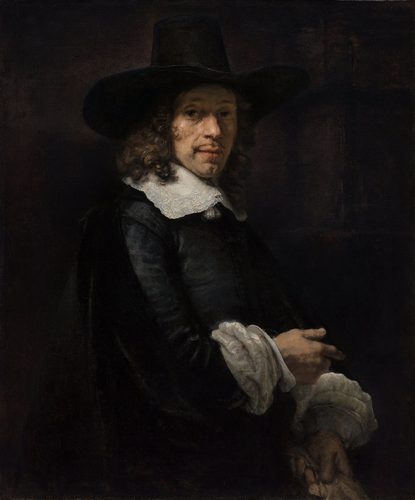


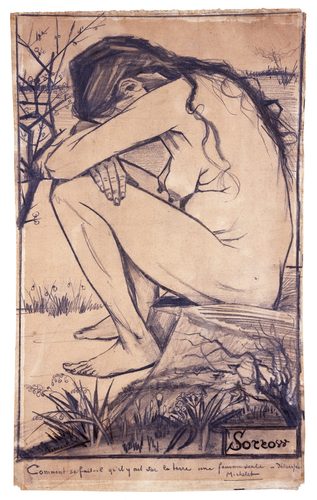
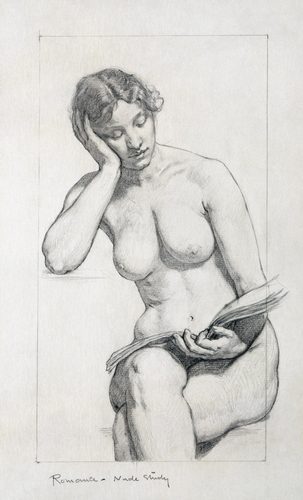
Positive space is the area of a composition taken up by the actual subject: a figure, an object, a building, anything that reads to the eye as solid and occupied. It exists in constant relationship with negative space, the empty or background area around and between subjects, and the two depend on each other completely — change one and the other changes too. Positive space can be rendered as a flat solid shape, like a cut silhouette, or as a fully modeled, three-dimensional form built up with light and shadow, like a carved marble figure. In sculpture, positive space is literal: the material itself physically displaces the room around it. In two-dimensional work, artists control how strongly positive space reads by contrasting it against the ground, cropping the frame tightly around it, or isolating it against a plain, quiet background. Strong compositions usually balance the amount and placement of positive space against negative space rather than letting either dominate by accident.
How artists use it
Silhouette cutting
Nineteenth-century silhouette artists like Auguste Edouart cut a sitter's profile from black paper with scissors, leaving no interior detail at all. The entire likeness survives purely as one solid, flat shape of positive space against a pale mount.
Figure against plain ground
Diego Velázquez painted Juan de Pareja against a plain, dark, undefined background in his 1650 portrait, letting the solidly modeled figure read unmistakably as the picture's positive space with nothing competing for attention.
Flat color shapes
Henri Matisse painted the dancing figures in The Dance as flat, unmodeled areas of color, reading purely as solid positive shapes against a plain blue sky and green ground, with no interior shading at all.
Sculpture displacing real space
Michelangelo's David is positive space in the most literal sense: nearly seventeen feet of solid carved marble physically occupies and displaces the room around it, unlike any painted illusion of solidity.
Dense crowd composition
Rembrandt packed a militia company into a shallow, active space in The Night Watch, with overlapping bodies, weapons, and banners competing for room, so positive space fills nearly the entire canvas.
Tight cropping
Portrait painters since the Renaissance have cropped a bust or half-length figure close to the frame's edges, minimizing background negative space so the sitter's solid form dominates almost the entire picture.
Instant examples
Positive Space in famous works, fast
- Solid black silhouette portraits
- → a profile cut from paper with no interior detail, pure positive shape against a pale ground.
- Figures filling a tight portrait frame
- → a sitter cropped close to the edges so the solid form dominates the whole canvas.
- Sculpture on a plinth
- → a carved figure physically occupying real three-dimensional space in a gallery or square.
- Flat cut-out color shapes
- → unmodeled areas of solid color read instantly as positive form, as in Matisse's later work.
- Dense crowd scenes in history painting
- → overlapping bodies filling nearly the entire canvas, leaving minimal background negative space.
- A single object centered on plain ground
- → one solid form isolated against an empty background in still life or product photography.
The story
Positive space has been at work since the earliest Greek black-figure vase painting, where solid silhouetted figures were painted directly onto the clay ground with no outline needed to read as occupied form. Renaissance chiaroscuro, developed through the fifteenth and sixteenth centuries, asserted a figure's solidity through modeled light and shadow rather than flat silhouette. Portrait-cutting, an inexpensive alternative to painted portraiture, turned positive space into a single flat black shape across Europe and America from the late eighteenth century onward, with profile artists like Auguste Edouart working city to city. Sculpture, from Classical Greek statues onward, has always embodied positive space literally, since a carved figure physically occupies real space in a room. In the twentieth century, Henri Matisse's late cut-outs treated positive space as pure flat color area rather than modeled volume, and psychologist Edgar Rubin's 1915 figure-ground vase illustration gave the figure-ground relationship its modern vocabulary.
The canonical examples
| Work | Artist | Date | Why it matters |
|---|---|---|---|
| David | Michelangelo | 1501–1504 | the entire carved marble figure is solid positive space, physically occupying and displacing the room around it |
| The Dance (I) | Henri Matisse | 1909 | flat, unmodeled color shapes of dancing figures read instantly as solid positive space against a plain ground |
| Portrait of Juan de Pareja | Diego Velázquez | 1650 | the solidly modeled figure fills most of the canvas against a plain, undefined dark background |
| Silhouette portraits | Auguste Edouart | early 19th century | each sitter's likeness is a single solid black cut-paper shape with no interior detail at all |
| The Night Watch | Rembrandt van Rijn | 1642 | densely overlapping militia figures fill nearly the entire canvas, leaving minimal background space |
 AI-generated
Try it yourself
Practice positive space with AI
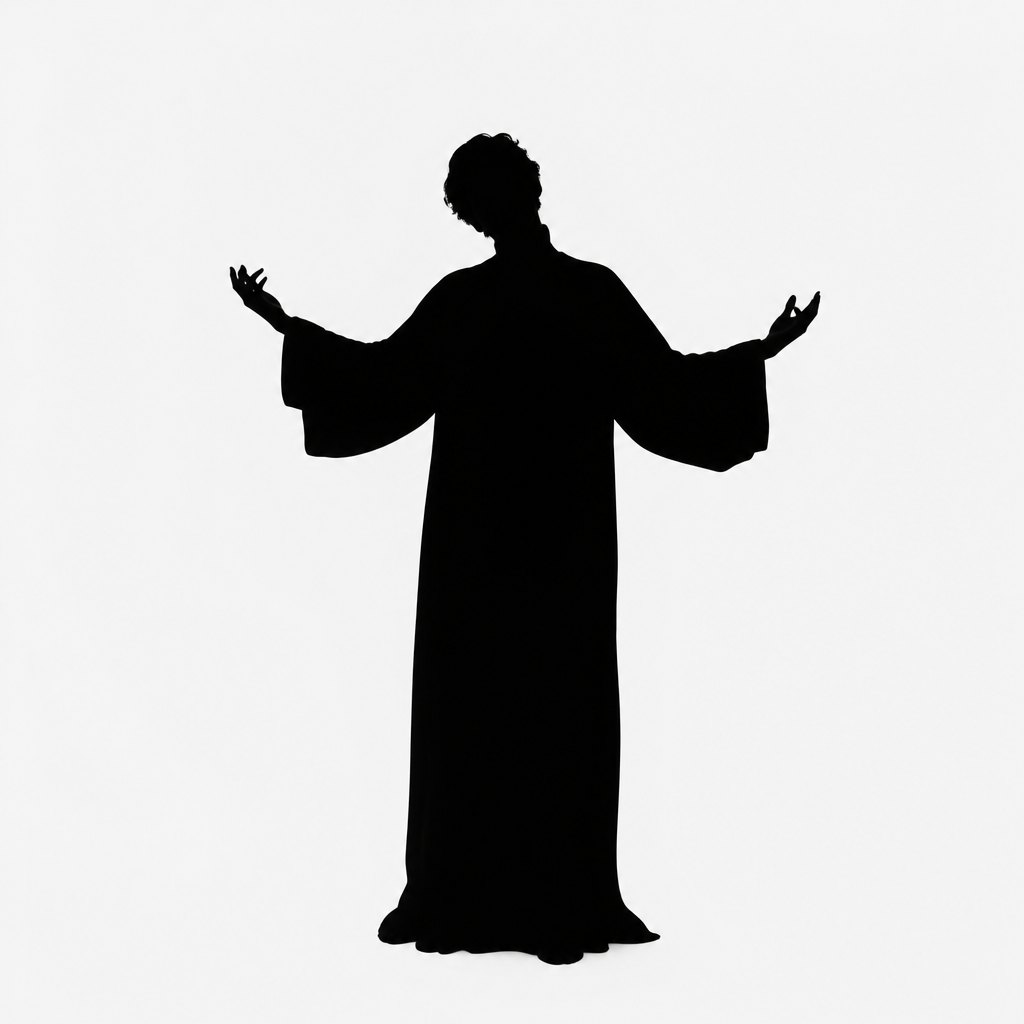
This example was generated from a prompt like: “A single solid dark figure silhouette standing in an empty white studio, arms slightly raised, no interior detail, stark black shape against a plain pale background, minimalist composition, strong figure-ground contrast.”
Open the Positive Space Art Style generator →The concept today
Positive space is basic vocabulary in graphic design and branding, where logos are built to read clearly as a solid shape at any size, from a billboard to a phone icon. Poster designers and minimalist illustrators favor bold, simplified positive shapes over detailed rendering. Photographers isolate a subject against a plain wall or sky to make positive space unmistakable. Interface designers manage the balance between positive elements like buttons and icons and the negative white space around them, following the same figure-ground logic painters have used for centuries.
Compose your own
Cut a simple object's silhouette from black paper, keeping only the outline shape and no interior lines, to see how much information a solid positive shape can carry alone. Photograph a subject against a plain wall and crop tightly so the figure fills most of the frame. Practice a figure-ground reversal by tracing one shape twice: once as a light form on dark, once as dark on light. Model a small solid form in clay to feel how it displaces real space around it. Before adding any shading to a drawing, block the whole composition in as flat solid shapes first, checking that positive and negative areas already feel balanced.
Frequently asked questions
What is positive space in art?
Positive space is the part of a composition occupied by the main subject, such as a figure, object, or building, as opposed to negative space, the empty or background area surrounding it.
What is the difference between positive and negative space?
Positive space is the solid, occupied subject; negative space is the empty area around and between subjects. They are interdependent, so changing the shape of one always changes the shape of the other.
What are examples of positive space in famous artworks?
Michelangelo's David is solid carved positive space in the round, Velázquez's Portrait of Juan de Pareja isolates a solid figure against a plain background, and Matisse's The Dance uses flat color shapes as pure positive form.
Why is positive space important in composition?
Because how much space a subject occupies, and how it's isolated or crowded against its background, directly controls how strongly it reads visually and how balanced or tense a composition feels overall.