 Art
Art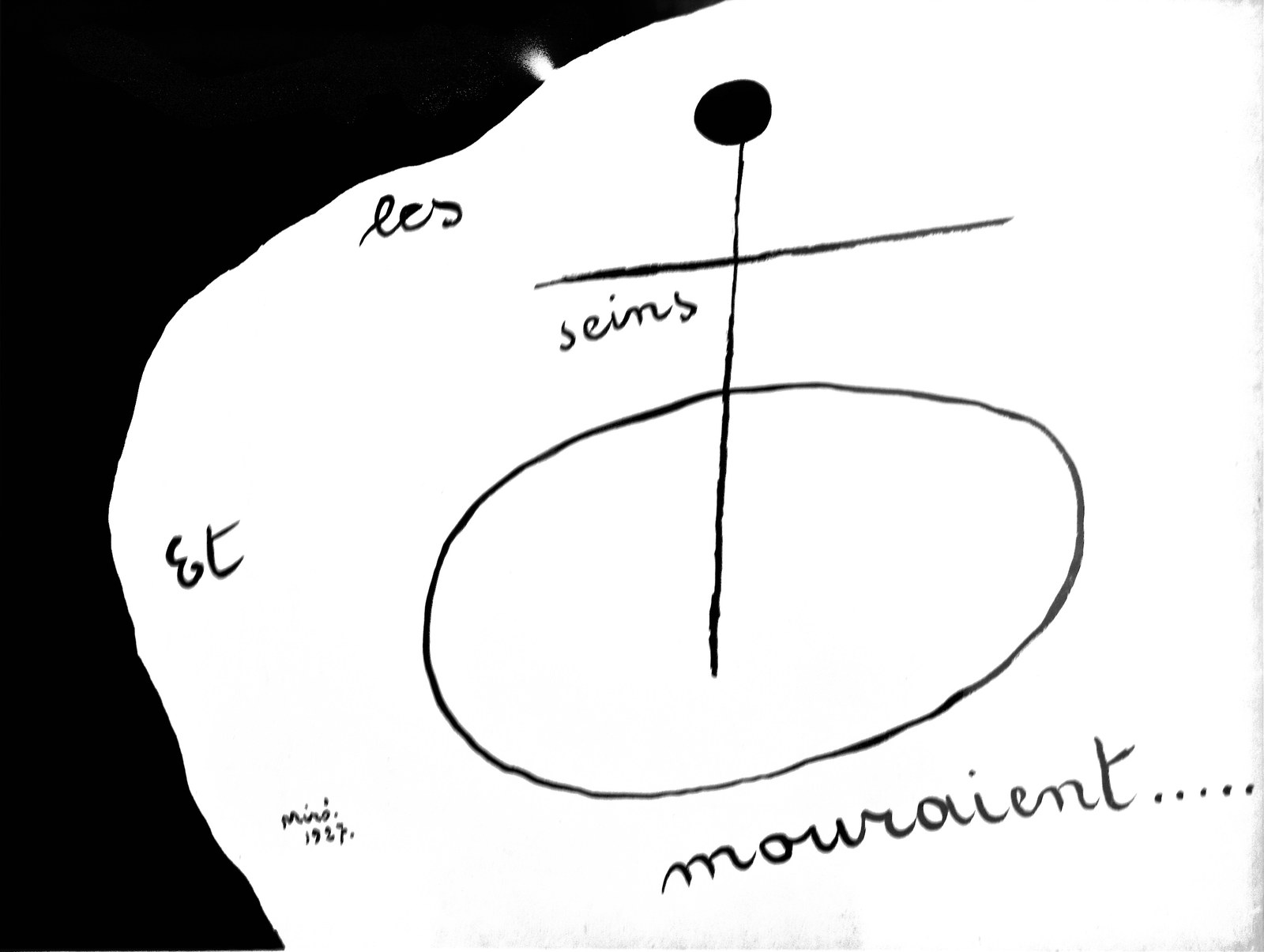
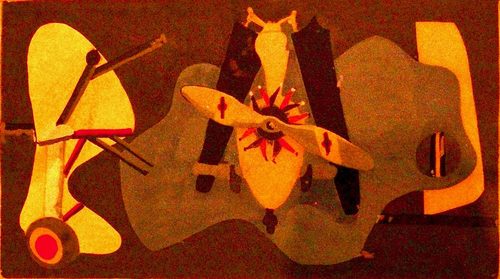
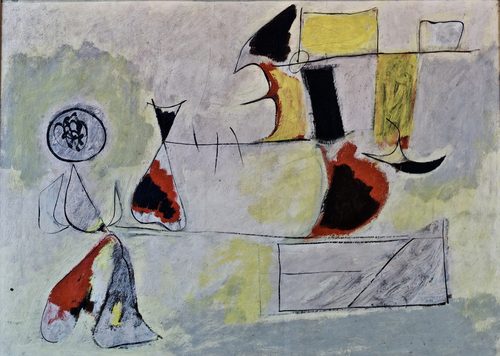
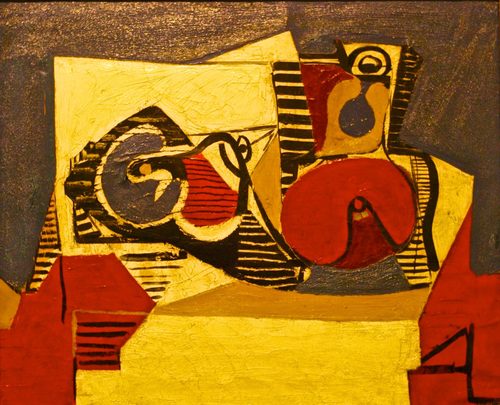
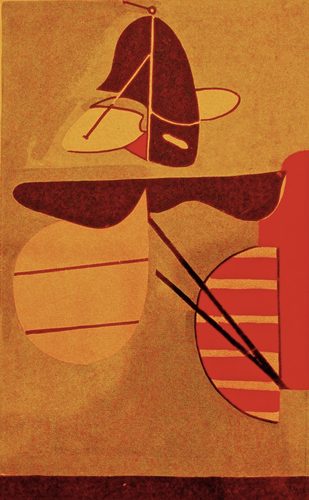
Fragmentation splits a whole subject, a face, a body, a landscape, into separate pieces and reassembles them within one picture, often showing several viewpoints, moments, or materials simultaneously rather than the single fixed view of traditional perspective. A fragmented composition asks the eye to reconstruct the subject actively instead of reading it instantly, because contour lines break, planes overlap and interpenetrate, and background and foreground bleed into one another. The device can describe motion, stacking successive instants of a moving body into one frozen image, or it can describe an idea, that a subject can be understood more completely from many angles at once than from any single view. Fragmentation can also be literal, built from cut and pasted scraps of newspaper, wallpaper, or photographs glued directly onto the canvas rather than only painted illusion. It became the defining device of early twentieth-century Cubism and Futurism, and it remains a clear signal of a modern, unstable way of seeing rather than a single calm snapshot.
How artists use it
Analytic Cubism facets
Early Cubist painters broke a subject into small overlapping geometric planes shown from several angles at once, flattening a face or guitar into a shifting, semi-transparent lattice of facets the eye must reassemble rather than read instantly.
Futurist simultaneity
Italian Futurist painters fragmented a moving figure into overlapping, repeated forms to show several instants of motion compressed into one still image, so a running or kicking figure seems to multiply across the canvas.
Passage
Cubist painters often let the edges between fragmented planes blur or merge rather than close into hard outlines, a technique called passage, so foreground and background pieces appear to slide into and through one another.
Collage and papier collé
Rather than only painting fragmented forms, Cubist artists began pasting actual scraps of newspaper, sheet music, and wallpaper directly onto the canvas, mixing painted fragments with literal torn material in the same composition.
Photomontage
Dada and Constructivist artists cut up and reassembled printed photographs into jarring, fragmented compositions, using scissors and paste rather than a paintbrush to splice mismatched scales and sources into one image.
Fragmented architecture
Orphist painters applied Cubist fragmentation to modern subjects like the Eiffel Tower, breaking a single rigid structure into tilting, overlapping planes to suggest its height, movement, and the sensation of walking around it.
Instant examples
Fragmentation in famous works, fast
- Faceted Cubist guitar
- → a musical instrument broken into overlapping geometric planes, one of Cubism's most repeated subjects.
- Multi-angle Cubist face
- → a portrait showing eyes, nose, or profile from several viewpoints stitched into one flattened head.
- Torn newspaper collage scrap
- → a literal fragment of printed material pasted into a composition alongside painted fragments.
- Shattered stained glass window
- → light broken into many separate colored pieces held together by a single leaded structure.
- Repeated overlapping figure in motion
- → a moving body fragmented into stacked instants to suggest speed or dynamism.
- Kaleidoscope pattern
- → a familiar visual analogy for fragmentation, where one image splits into repeating, overlapping pieces.
The story
Fragmentation crystallized around 1907 to 1912 in Paris, when painters began breaking single-viewpoint perspective apart entirely. Analytic Cubism, developed in these years, reduced still lifes, guitars, and faces to overlapping grey-brown geometric planes seen from multiple angles simultaneously. Around 1912, artists began pasting real fragments, cut newspaper, wallpaper, and sheet music, directly onto canvases and cardboard in a technique called papier collé and collage, mixing literal torn material with painted fragmentation. In Italy at the same moment, Futurist painters used fragmentation to depict motion, stacking successive instants of a moving body into one composition to convey speed and simultaneity. French Orphist painters extended fragmented planes to modern architecture and color. After the First World War, Dada and Constructivist artists in Berlin and Moscow adapted fragmentation into photomontage, slicing up printed photographs to build jarring, composite images.
The canonical examples
| Work | Artist | Date | Why it matters |
|---|---|---|---|
| Portrait of Pablo Picasso | Juan Gris | 1912 | Picasso's head and torso are broken into overlapping translucent geometric planes shifting between different viewing angles |
| Dynamism of a Soccer Player | Umberto Boccioni | 1913 | the player's body dissolves into overlapping angular fragments meant to convey the speed and force of his motion |
| Eiffel Tower | Robert Delaunay | 1911 | the tower is broken into tilting, overlapping planes and fractured perspectives suggesting its height and surrounding movement |
| Man on a Balcony | Albert Gleizes | 1912 | the standing figure and balcony architecture are both broken into interlocking angular Cubist facets |
| Udnie (Young American Girl, Dance) | Francis Picabia | 1913 | the dancer's form dissolves into large abstracted, overlapping fragmented shapes inspired by movement |
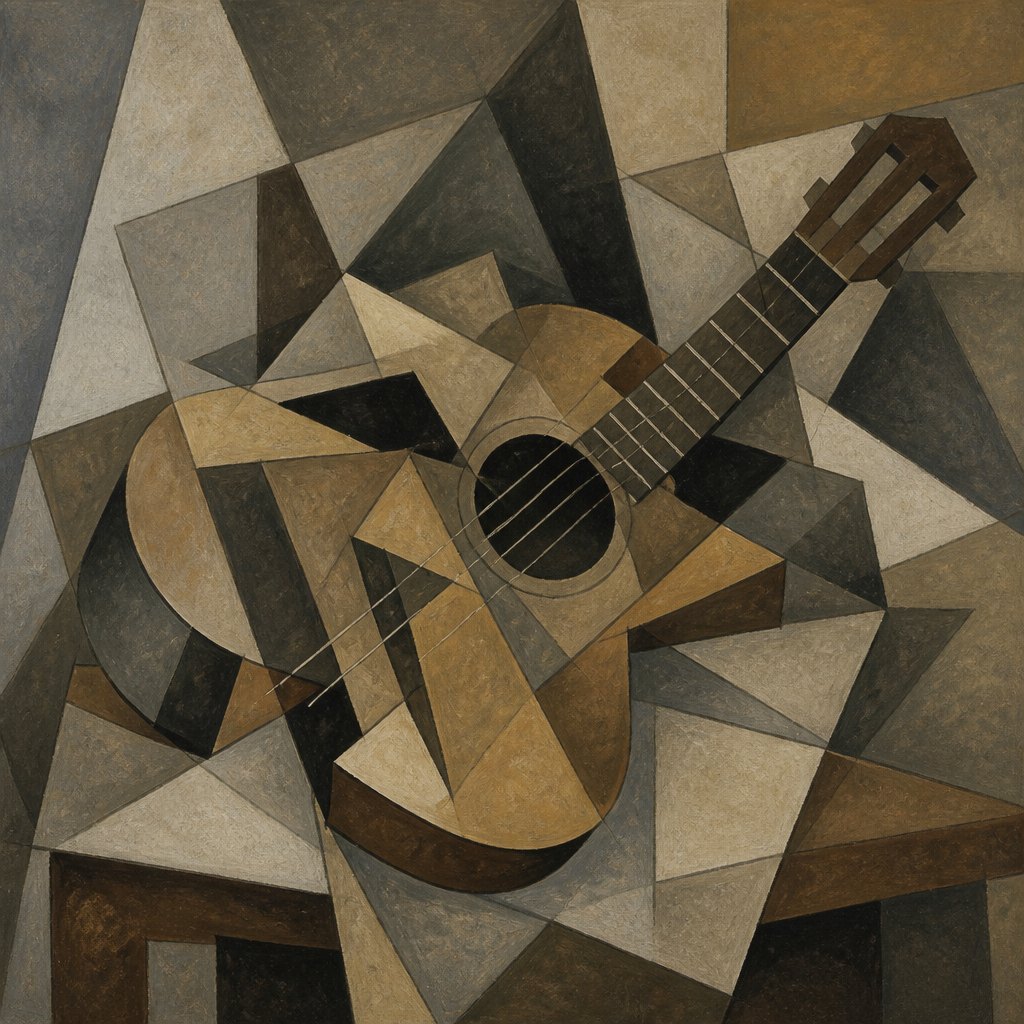 AI-generated
Try it yourself
Practice fragmentation with AI
This example was generated from a prompt like: “A guitar broken into overlapping geometric planes and angular facets in muted grey, tan, and brown tones, Cubist-style still life on a tabletop, flattened perspective, fractured overlapping shapes, painterly texture.”
Open the Fragmentation Art Style generator →The concept today
Fragmentation persists as a visual shorthand for complexity and modern perception: photomontage and digital glitch art splice multiple images into one frame, graphic designers layer transparent overlapping shapes to suggest depth and motion, and film editors use fragmented, rapid-cut sequences to compress several moments into one impression. App icons and interfaces sometimes borrow faceted, Cubist-style geometry purely for a modern, dynamic look.
Compose your own
Draw a simple object, a cup or a guitar, from three different angles on separate sheets, then cut each drawing into pieces and reassemble the fragments into a single composite image. Practice passage by letting the outline of one fragment dissolve directly into the next without a hard edge, so foreground and background pieces seem to slide together. Try collage by tearing scraps of newspaper or patterned paper and gluing them alongside painted or drawn fragments of the same subject. To fragment motion, sketch a moving figure at five successive instants on tracing paper, then overlay all five sketches into one image.
Frequently asked questions
What is fragmentation in art?
Fragmentation is breaking a subject into separate overlapping planes, facets, or pieces shown together in one picture, often combining multiple viewpoints or moments rather than a single fixed view.
How did Cubism use fragmentation?
Cubist painters broke faces, bodies, and still-life objects into overlapping geometric planes seen from several angles at once, forcing the viewer to mentally reconstruct the subject rather than read it in a single glance.
What is the difference between fragmentation and collage?
Fragmentation describes breaking a subject into pieces within an image, which can be entirely painted; collage specifically means physically pasting cut scraps of paper, photographs, or other material onto the surface.
How did Futurist painters use fragmentation differently from Cubists?
Futurists fragmented a figure to show successive instants of motion stacked into one image and convey speed, while Cubists more often fragmented a still, stationary subject to show multiple static viewpoints at once.