 Art
Art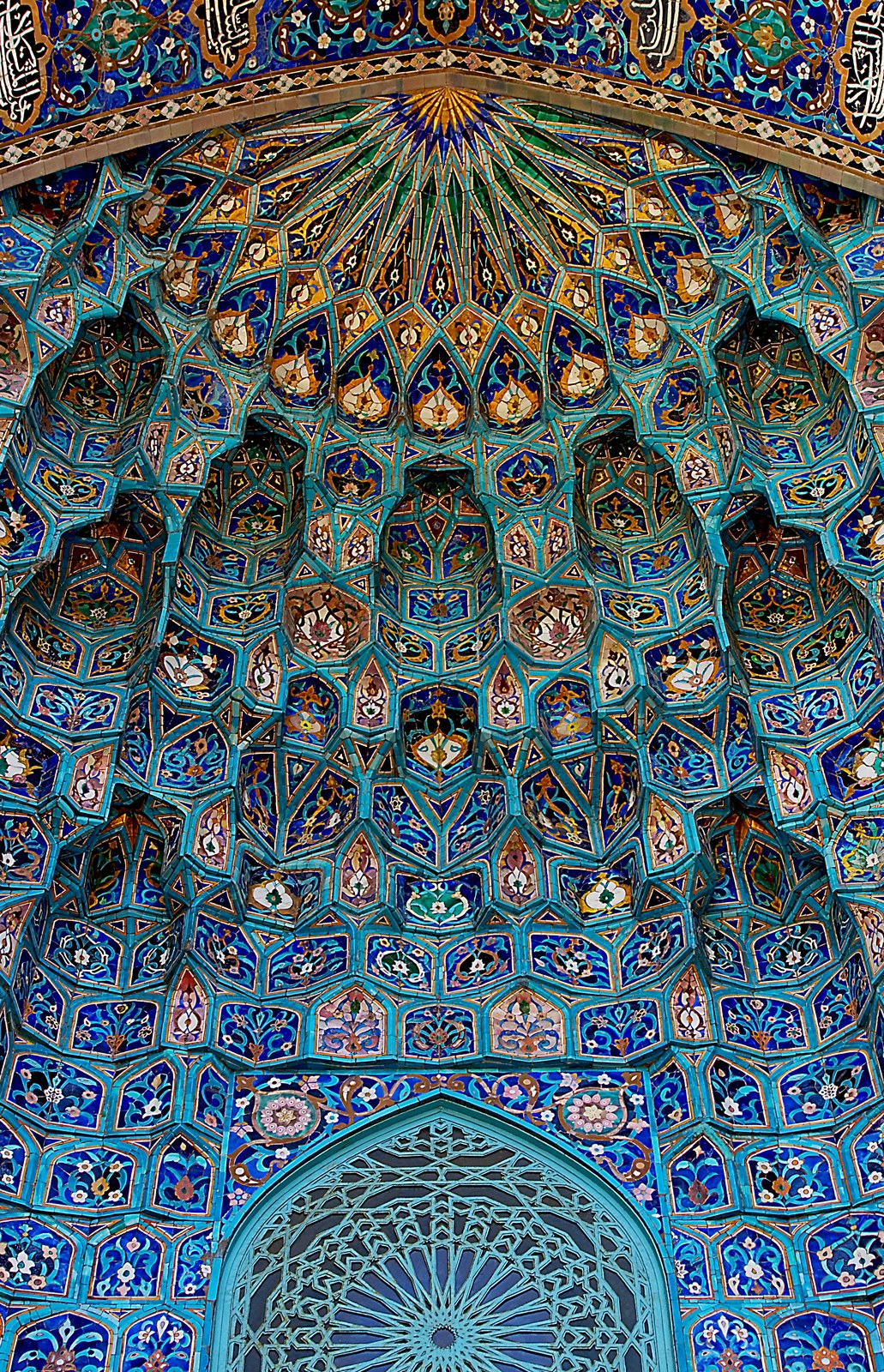
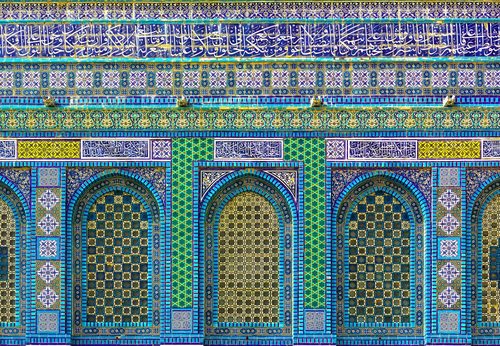
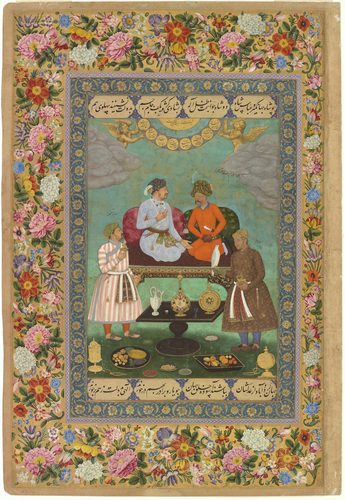
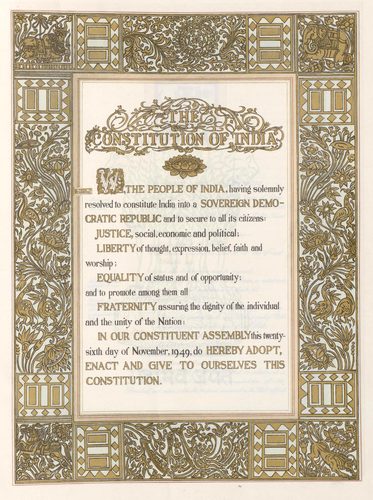
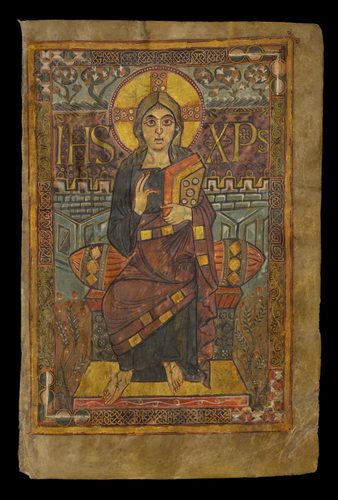
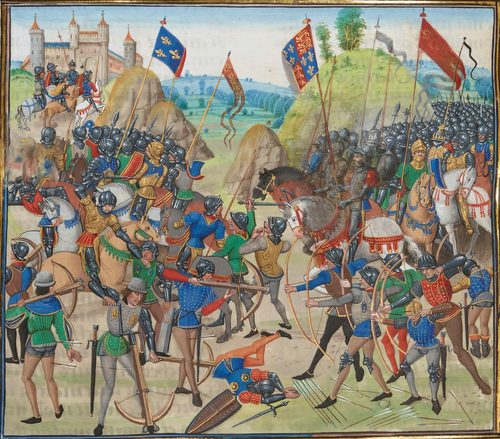
Complexity is the principle of building a composition from many interacting parts — dense pattern, layered detail, multiple focal points, and ornament that keeps unfolding the longer a viewer looks. Where simplicity removes, complexity accumulates: a complex work might pack hundreds of figures into one panel, repeat a geometric motif across an entire surface, or nest smaller scenes inside a larger one. This density is not automatically chaos; skilled artists organize it through repetition, symmetry, and hierarchy so the eye has a path even through crowded detail. Complexity rewards sustained looking in a way simplicity doesn't — a viewer can return to the same manuscript page or ceiling fresco many times and keep finding something new. Cultures that favor filling every available surface, from illuminated manuscripts to Islamic tilework to Baroque church interiors, produce especially dense work. Complexity and simplicity are usually taught as opposite strategies for controlling how much information a composition asks a viewer to process at once.
How artists use it
Dense narrative packing
Hieronymus Bosch's The Garden of Earthly Delights (c. 1490–1510) crams its central panel with hundreds of small figures, animals, and hybrid creatures across a continuous panoramic landscape, so no single group dominates the eye.
Ceiling as crowded universe
Michelangelo's Sistine Chapel ceiling (1508–1512) organizes over three hundred figures across nine central narrative scenes and surrounding prophets and ignudi, using painted architecture to keep the density readable rather than overwhelming.
Interlace ornament
The Book of Kells, an illuminated Gospel manuscript made around 800, covers full pages in Celtic interlace, spirals, and tiny hidden figures, leaving almost no blank parchment untouched.
Everyday proverbs multiplied
Pieter Bruegel the Elder's Netherlandish Proverbs (1559) stages over one hundred Flemish sayings as simultaneous small scenes across a single crowded village, turning the whole canvas into a puzzle to be read piece by piece.
Multi-panel accumulation
The Ghent Altarpiece (1432), by Hubert and Jan van Eyck, spreads dozens of richly detailed figures and landscapes across twenty hinged panels, layering symbolism into nearly every object depicted.
Illusionistic ceiling fresco
Andrea Pozzo's Apotheosis of St Ignatius (1685–94), painted on the flat ceiling of Sant'Ignazio in Rome, uses painted architecture to appear to open the roof into an infinite sky crowded with tumbling figures.
Instant examples
Complexity in famous works, fast
- Illuminated manuscript borders
- → abundance — vines, gold leaf, and tiny figures crowd the margins around the main text.
- Persian carpet pattern
- → repetition — small medallions and vine motifs multiply across the entire woven field.
- Gothic cathedral facade
- → accumulation — stacked niches, tracery, and hundreds of carved figures fill every available surface.
- Baroque ceiling fresco
- → spectacle — painted architecture and figures spill outward to overwhelm the viewer below.
- Densely woven tapestry
- → layering — foreground figures, background foliage, and border patterns compete for attention at once.
- Mandala
- → structure within density — concentric rings of intricate pattern organize complexity around a center.
The story
Horror vacui, the impulse to fill every surface, appears across very different traditions: Celtic manuscript illumination around 800, Islamic geometric and vegetal ornament that avoided figural imagery, and Gothic cathedral facades stacked with carved figures from the 12th century onward. The Northern Renaissance produced densely symbolic panels like the Ghent Altarpiece (1432) and Bosch's Garden of Earthly Delights (c. 1490–1510). The Counter-Reformation pushed complexity toward theater, with Baroque ceiling frescoes by artists like Andrea Pozzo using illusionistic architecture to multiply figures into painted infinity. Rococo interiors added swirling ornament for its own sake in the 18th century. Complexity later became a foil to 20th-century Minimalism, and contemporary 'maximalist' design and pattern-heavy digital art continue the same instinct to fill the frame rather than empty it.
The canonical examples
| Work | Artist | Date | Why it matters |
|---|---|---|---|
| The Garden of Earthly Delights | Hieronymus Bosch | c. 1490–1510 | hundreds of small figures, animals, and hybrid creatures fill a continuous panoramic landscape across three panels |
| Netherlandish Proverbs | Pieter Bruegel the Elder | 1559 | over one hundred Flemish proverbs are staged as simultaneous small scenes across one crowded village |
| Sistine Chapel Ceiling | Michelangelo | 1508–1512 | over three hundred figures are organized across nine narrative scenes plus surrounding prophets and nudes |
| Book of Kells | Unknown | c. 800 | full manuscript pages are covered edge to edge in interlace, spirals, and hidden figures with almost no blank parchment |
| The Ghent Altarpiece | Hubert and Jan van Eyck | 1432 | dozens of richly detailed figures and landscapes are spread across twenty hinged panels layered with symbolism |
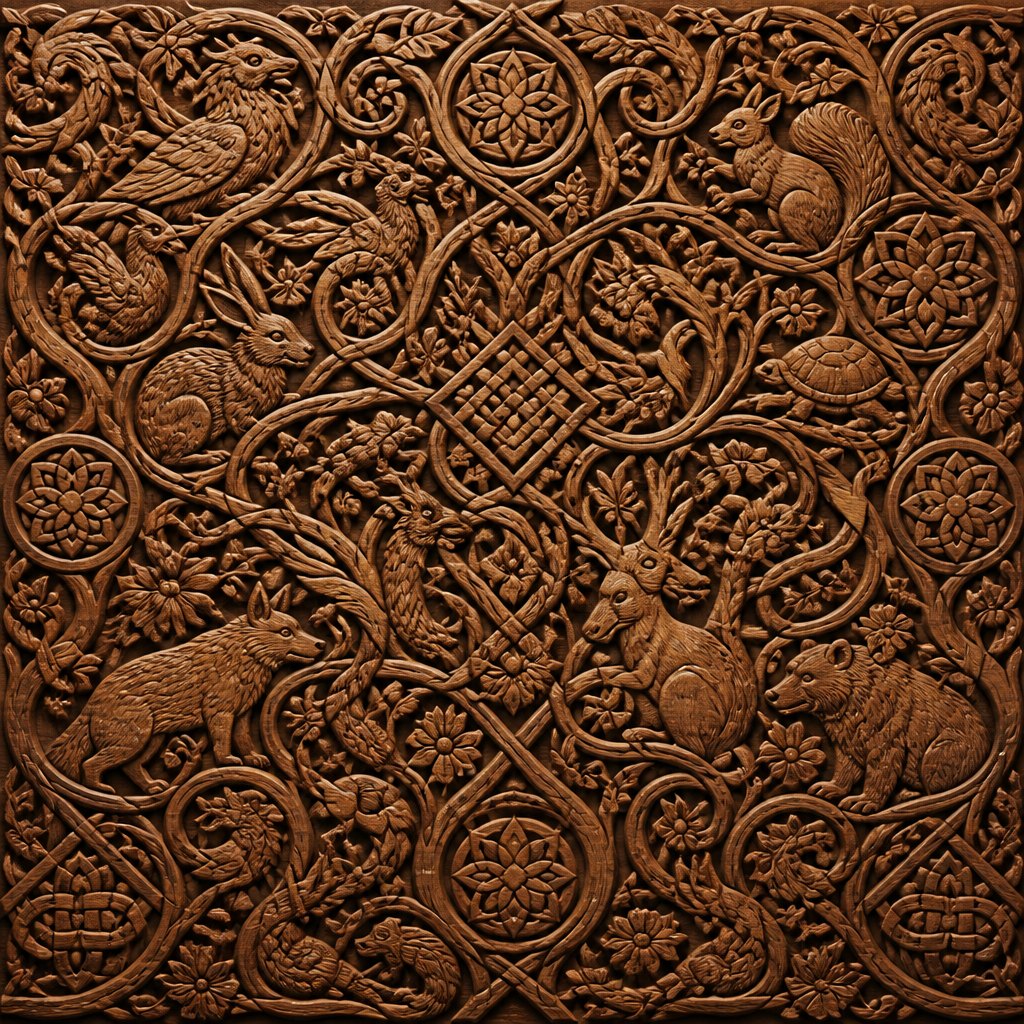 AI-generated
Try it yourself
Practice complexity with AI
This example was generated from a prompt like: “An intricate hand-carved wooden panel covered edge to edge with interlocking vines, tiny animals, and repeating geometric knotwork, no empty space anywhere on the surface, warm raking light, extreme fine detail, ornamental, dense pattern.”
Open the Complexity Art Style generator →The concept today
Complexity now surfaces as 'maximalist' interior design, pattern-on-pattern fashion, and generative digital art that layers thousands of small computed elements into one image. Data visualization designers deliberately pack dense charts with detail for expert viewers who want to dig in. Film and game concept art often builds dense, lived-in environments for the same reason Bruegel crowded his villages: the more there is to find, the longer an audience stays engaged with a single frame.
Compose your own
Start from a simple composition and add layers deliberately: a background pattern, a secondary group of figures, a border of ornament, checking after each addition that the eye still has a path through the image. Study a single square inch of a densely detailed old-master painting or manuscript page and try to redraw only that fragment, to feel how much information fits into a small space. Practice organizing complexity with a grid or repeating module, the way tilework and carpets do, so density reads as pattern rather than clutter. Try packing one scene with as many small, readable stories as you can, the way Bruegel staged dozens of proverbs in a single village.
Frequently asked questions
What are examples of complexity in famous art?
Bosch's Garden of Earthly Delights packs hundreds of small figures into one landscape, Michelangelo's Sistine ceiling organizes over three hundred figures across nine scenes, and the Book of Kells covers entire pages in dense interlace ornament.
Is complexity the opposite of simplicity in art?
Yes, they're usually taught as a pair. Simplicity reduces a composition to essential elements, while complexity accumulates many interacting details, patterns, and focal points. Most artworks sit somewhere between the two extremes.
What is horror vacui?
It's the impulse to fill every available surface with pattern or detail rather than leaving blank space, seen in illuminated manuscripts, Islamic tilework, and Victorian ornament. The term is Latin for 'fear of empty space.'
Why do artists use complexity instead of a simple composition?
Dense detail rewards prolonged looking and can hold multiple stories or symbols at once. A complex composition invites a viewer to return repeatedly and keep discovering new elements, which a stripped-down composition can't offer.